

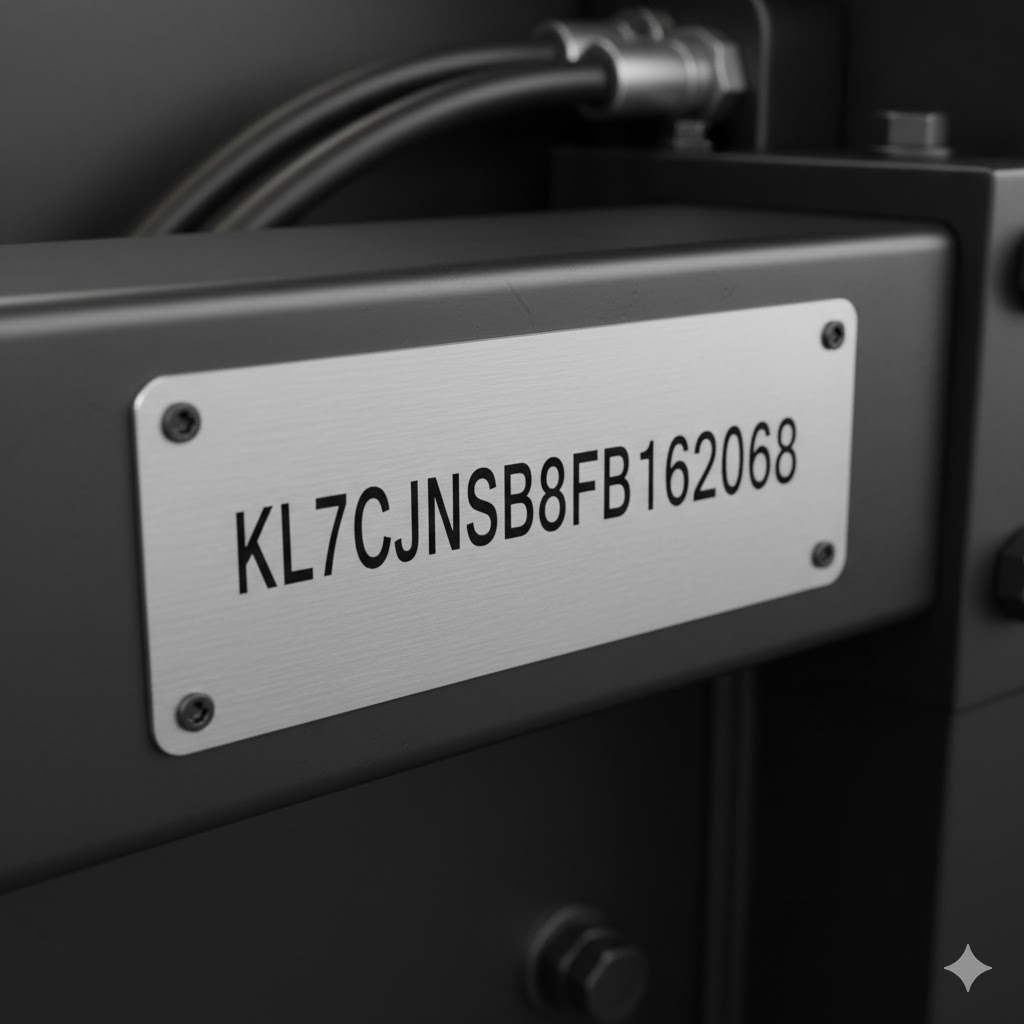
Let’s be honest — KL7CJNSB8FB162068 looks like the kind of random string you’d expect to see on a product label, a database entry, or a tracking system. And in a way, that’s exactly what it is: a unique identifier. In today’s digital world, identifiers like these are everywhere, and understanding them can help you make sense of data, systems, and processes that rely on precise coding.
What Exactly Is KL7CJNSB8FB162068?
Breaking Down the Code
Although KL7CJNSB8FB162068 looks complex, codes like this usually follow a structure. Each letter or number can represent:
- A category or type
- A batch or version
- A location
- A timestamp
- A unique serial number
It works similarly to how a VIN number identifies a vehicle or how a SKU identifies a product.
Why It Matters
Identifiers like KL7CJNSB8FB162068 prevent mix-ups. They help systems keep track of products, files, transactions, or even digital assets. One wrong character and the meaning changes entirely, so precision is everything.
The Purpose Behind KL7CJNSB8FB162068
Practical Uses
Codes like this might show up in:
- Logistics and shipping
- Inventory management
- Digital systems
- Manufacturing
- Product authentication
Industry Applications
Businesses use unique codes to automate operations, prevent duplication, track movement, and simplify reporting.
How KL7CJNSB8FB162068 Works
The Core Mechanism
Behind the scenes, identifiers work as:
- Index keys in databases
- Reference values in software
- Tracking labels in supply chains
They help systems instantly locate the related file, product, or record.
Supporting Components
Identifiers usually come with metadata, such as:
- Description
- Timestamp
- Category
- Status
Together, they form a complete record.
Benefits of Understanding KL7CJNSB8FB162068
Efficiency Improvements
Knowing how to read or use the identifier helps reduce time spent searching or verifying data.
Reducing Errors
When you understand what the code represents, you’re less likely to mislabel, mistype, or misinterpret it.
Better Decision-Making
Whether you’re in business, tech, or logistics, accurate identifier interpretation leads to smarter choices.
Common Mistakes People Make
Misinterpreting the Code
Some assume it’s random, but identifiers follow strict formatting rules depending on the system.
Using It in the Wrong Context
Using the wrong identifier can lead to:
- Data mismatches
- Broken processes
- Delays
- Product tracking issues
How to Analyze KL7CJNSB8FB162068 Correctly
Step-by-Step Evaluation
- Identify the structure
- Separate letters and numbers
- Check matching databases or systems
- Confirm its purpose
- Validate it against logs or records
Tools You Can Use
- Barcode scanners
- Inventory software
- Database lookup tools
- Internal tracking systems
Real-World Examples
Practical Scenarios
Identifiers like KL7CJNSB8FB162068 may appear when:
- Verifying a shipment
- Searching for a product in inventory
- Checking a service record
- Tracking workflow progress
Case Studies
Many companies have reduced human errors by 40% simply by relying on standardized identifiers.
Tips for Working with KL7CJNSB8FB162068
Best Practices
- Double-check each character
- Store identifiers securely
- Use copy-paste to avoid mistakes
- Label everything consistently
Helpful Shortcuts
- Use automated scanning tools
- Implement validation scripts
- Integrate with management software
Troubleshooting Issues
Identifying the Problem
Errors often occur because of:
- Typos
- Miscommunication
- Wrong format
- Outdated records
Quick Fixes
- Re-scan the identifier
- Recheck your database
- Confirm with the source
- Validate using multiple tools
Expert Recommendations
Insights From Professionals
Tech and inventory specialists emphasize:
- Format consistency
- Staff training
- System integration
- Routine audits
Future of KL7CJNSB8FB162068
Trends
Identifiers are shifting toward:
- QR-based recognition
- Blockchain-backed authenticity
- Smart tracking
Predictions
Expect future codes to be:
- Even more compact
- More secure
- Integrated with AI-driven systems
Conclusion
KL7CJNSB8FB162068 may look like random characters, but it plays a meaningful role wherever it appears. From manufacturing to digital systems, identifiers keep the world organized, efficient, and traceable. Understanding how they work empowers you to manage data better, avoid errors, and streamline operations.
Another Topic To READ Top 10 Free Alternatives To Microsoft PowerPoint In 2025
FAQs
1. What does KL7CJNSB8FB162068 stand for?
It’s a unique identifier used to label or track a specific item, file, or product in a system.
2. Is KL7CJNSB8FB162068 random?
No. Even though it looks random, identifiers typically follow structured rules.
3. Where can this identifier be used?
In logistics, software systems, databases, product labeling, and more.
4. How can I verify KL7CJNSB8FB162068?
Use scanning tools, database lookup, or the system where the identifier is registered.
5. Can this identifier be duplicated?
It shouldn’t be. Unique identifiers are intentionally generated to avoid duplication.