
In the cryptocurrency world, technology and innovation often take the spotlight—but behind every successful project lies a passionate, dedicated community.
Community support can make or break a cryptocurrency’s long-term success. It drives adoption, builds trust, defends against market downturns, and fuels the viral growth that can turn obscure tokens into global phenomena. Within the top 100 cryptocurrencies, some have managed to create movements rather than just user bases—groups of believers, builders, and advocates who push their favorite projects forward even in the toughest market conditions.
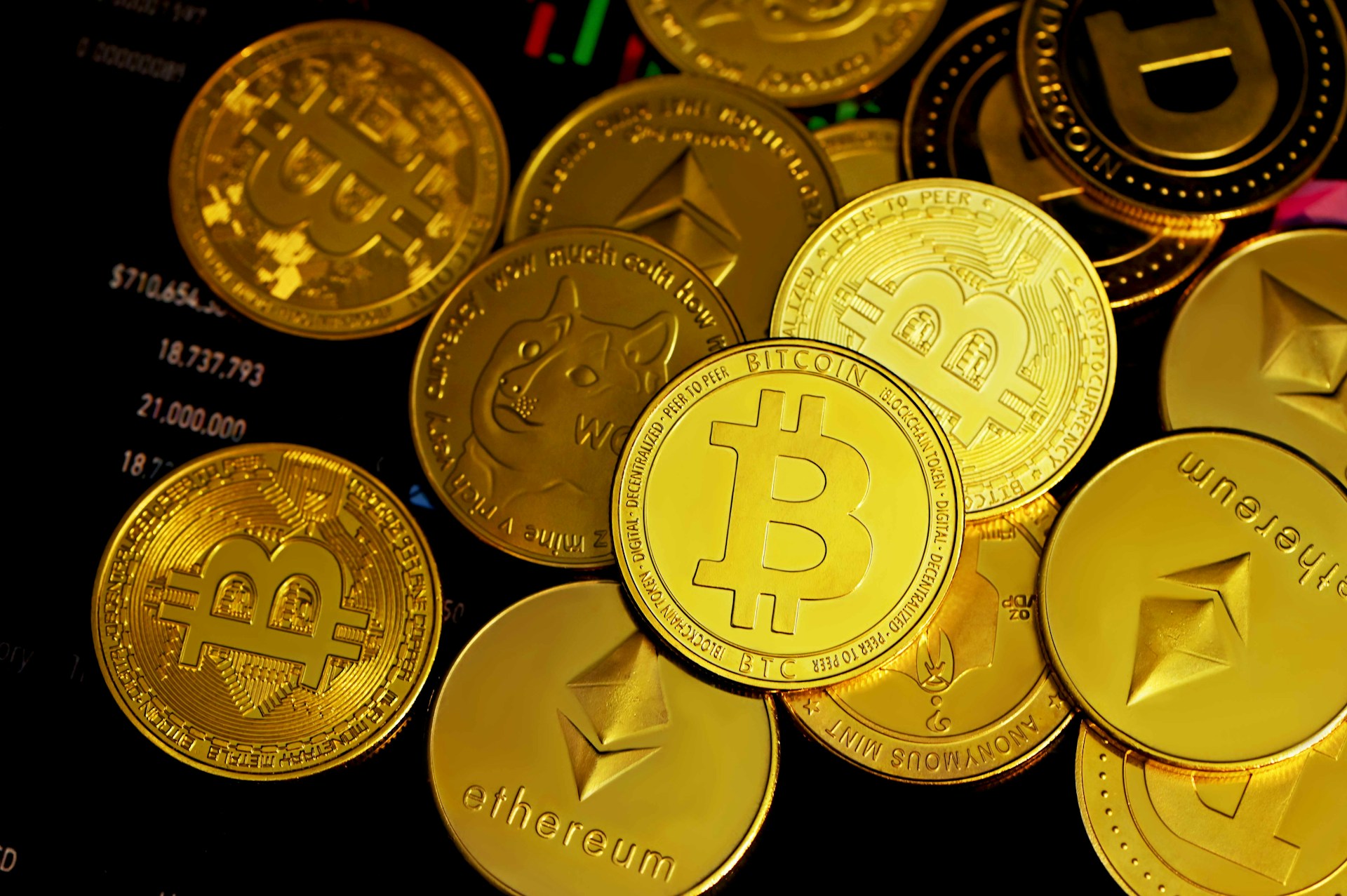
No discussion about strong crypto communities can begin without mentioning Bitcoin. As the pioneer of decentralized money, Bitcoin’s community has become a cultural force. What began as a niche group of cypherpunks and libertarians has grown into a global network of advocates, developers, miners, and investors. Bitcoin’s community thrives on the belief in financial sovereignty and decentralization. Its open-source development process ensures that anyone can contribute, while its vocal supporters defend it fiercely across social media, forums, and conferences. Even without a marketing department or corporate structure, Bitcoin’s community remains one of the most influential in shaping the broader crypto narrative.
Ethereum follows closely, powered by one of the most active developer and user ecosystems in blockchain history. From decentralized finance to NFTs, Ethereum’s community has built entire industries on top of its network. What sets it apart is not just size but diversity: developers, artists, researchers, and enterprises all find a place within its ecosystem. Ethereum’s move from proof-of-work to proof-of-stake—known as “The Merge”—was one of the most ambitious technical upgrades in crypto, made possible by years of collaboration and trust within the community. The continuous evolution of Ethereum showcases how a united group can adapt, scale, and innovate together.
Among the newer generation of projects, Cardano stands out for having one of the most loyal and engaged communities in the industry. Cardano’s supporters, often referred to as “the Cardano army,” are known for their long-term vision and patience. Despite facing criticism for its slow, research-driven approach, the community has remained steadfast, organizing global meetups, educational campaigns, and developer events. The commitment of its followers has helped Cardano grow into one of the largest proof-of-stake networks in the world, driven not by hype but by belief in academic rigor and sustainable development.
Dogecoin may have started as a joke, but its community is no laughing matter. The Dogecoin community, fueled by humor and inclusivity, is one of the most active and positive in all of crypto. What began as an internet meme evolved into a symbol of grassroots enthusiasm and generosity—supporting charitable causes, sponsoring sports teams, and helping newcomers learn about crypto. Elon Musk’s public support has amplified Dogecoin’s reach, but its real strength comes from the millions of everyday users who keep its playful spirit alive. Few projects demonstrate community-driven resilience better than Dogecoin.
Similarly, Shiba Inu has shown how an energetic online community can catapult a project into the crypto mainstream. Branding itself as the “Dogecoin killer,” Shiba Inu built a decentralized ecosystem including NFTs, a metaverse project, and a token-burning mechanism—all initiated and promoted by its devoted supporters. The “Shib Army” is one of the largest social forces in crypto, constantly trending on social media and driving engagement across platforms. Their coordinated enthusiasm helped Shiba Inu climb into the top 20 cryptocurrencies, proving that collective belief can rival even the most established projects.
XRP and Stellar also owe much of their staying power to loyal communities that continue to advocate for cross-border financial innovation. Despite Ripple’s legal challenges with the U.S. Securities and Exchange Commission, XRP holders have remained remarkably organized and vocal. They’ve rallied online, funded awareness campaigns, and maintained active discussion networks that support both the company and the token. Stellar’s community, on the other hand, focuses on the mission of financial inclusion, bringing banking solutions to underserved regions through grassroots advocacy and developer initiatives.
In the decentralized finance (DeFi) sector, Uniswap and Aave have cultivated strong communities of developers and governance participants. Both projects rely on decentralized decision-making, where token holders propose and vote on protocol updates. This active participation keeps innovation alive while fostering a sense of shared ownership. Similarly, Chainlink’s global community of developers and node operators forms the backbone of its oracle network. They ensure reliability and promote collaboration, making Chainlink one of the most respected and widely integrated projects in the crypto space.
Even ecosystems like Solana and Polygon have rapidly built thriving communities that support innovation and education. Solana’s users, developers, and creators remain loyal despite the network’s technical challenges. Hackathons, grants, and NFT events have created a lively culture around the network’s growth. Polygon’s community, equally vibrant, has drawn interest from major brands and developers seeking to expand Web3 accessibility. Both projects showcase how collaboration between builders and users can accelerate adoption.
Ultimately, the best communities share certain qualities—resilience, transparency, and a shared belief in a project’s vision. Whether it’s Bitcoin’s ideological foundation, Ethereum’s innovation-driven collaboration, or Dogecoin’s lighthearted camaraderie, these communities are what keep the crypto market alive through booms and busts. In an industry without centralized leadership, it is the collective spirit of these groups that sustains progress.
The top 100 cryptocurrencies with the strongest community support are not just financial instruments; they are living ecosystems built on connection and trust. Technology can be replicated, but authentic community loyalty cannot. It’s the people—developers, investors, enthusiasts, and dreamers—who transform lines of code into revolutions. As long as these communities continue to grow and evolve, the future of cryptocurrency remains not only decentralized but profoundly human.
Also Read: Is Qiokazhaz Spicy? Full Flavor Guide, Heat Level & Taste Breakdown