
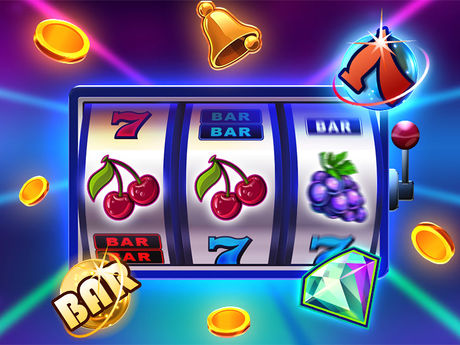
Slot machines feel simple on the outside. You press a button. Reels move. Lights flash. Sounds play. But behind that simple look is quiet technology doing steady work. These machines do not know your name. They do not know where you live. Still, they react to how people play.
The system does not think like a human. It does not judge. It only notices patterns. How fast buttons are pressed. How long someone stays. When play slows down. When it speeds up. These small signals help the machine respond in subtle ways.
Nothing personal is stored. No faces. No voices. Just numbers and timing. That is how learning begins without knowing who you are.
Patterns Matter More Than Identity
Inside every modern slot is a small computer. That computer tracks actions, not people. It counts spins. It watches pauses. It notes bet size changes. This happens in land-based machines and also in any online casino environment where play is digital.
For example, when a player spins fast for a long time, the system marks that pace. If the same player slows down later, the system sees a change. It does not ask why. It only reacts to what it sees. The game might keep sounds steady. It might keep visuals bright. It might hold the same rhythm.
This is not mind reading. It is pattern response. Just like a phone screen adjusts brightness based on light, slot machines adjust flow based on behavior.
Session Data Tells a Quiet Story
Slot systems work in sessions. A session starts when play begins and ends when play stops. During that time, the machine builds a short story using numbers. How long the session lasts. How often spins happen. How often bets rise or drop.
When many sessions show the same habits, the system learns what usually keeps play going. If most people pause after a loss, the system expects a pause. If most people continue after a small win, the system marks that too.
This learning does not jump from one person to another. It stays inside grouped data. Think of it like weather reports. The report does not know who is outside, but it knows what usually happens when clouds gather.
Timing Is the Strongest Signal
Timing matters more than wins or losses. The machine watches when buttons are pressed. A fast press shows energy. A slow press shows doubt. A long pause shows possible exit.
Technology responds gently. It does not shout. It does not force. It simply keeps the game steady when timing shifts. This is why some players feel the machine knows when they are tired. It does not know feelings. It only sees time gaps.
Engineers focus heavily on this timing data. It helps them understand flow. Flow is how smooth play feels. When flow breaks, people leave. When flow holds, people stay.
Random Results Stay Untouched
One thing stays separate from learning. Results. Slot outcomes are still random. The machine cannot change a spin result because of behavior. The math behind the reels stays fixed.
Learning tech works around the game, not inside the outcome. It controls sound pacing, animation speed, and visual calm. It never touches win chances.
This separation matters. It keeps games fair. It also keeps trust in place. Tech studies habits, not luck.
Why This Tech Exists at All
Casinos want games that feel stable. Players want games that feel smooth. Learning systems sit between both sides. They do not chase players. They do not store names. They simply keep play from feeling rough or confusing.
Without this tech, games would feel stiff. Every spin would feel the same, no matter how tired or focused someone feels. That can push people away faster.
With learning systems, the game feels steady. Not smarter. Just calmer.
The Quiet Future of Slot Technology
Slot tech keeps moving forward. More data points. Better timing reads. Cleaner session tracking. All without breaking privacy.
The future is not about knowing players. It is about understanding behavior without identity. Machines will continue to react to what happens in front of them, not who stands there.
That is how slot machines learn habits while never knowing a single name. Quiet systems. Simple signals. And technology that listens without listening.