

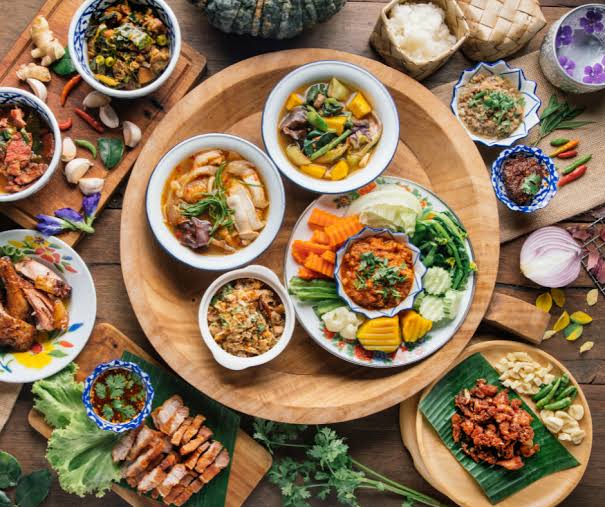
Discovering local culture involves much more than visiting famous landmarks. The identity of a destination can often be found in its flavours, materials, everyday objects and commercial traditions. Regional dishes reveal how communities have adapted to their landscape, while handmade crafts preserve skills passed down through generations. Markets, workshops and independent shops also provide valuable insights into local tastes and customs. By paying attention to food, crafts, and shopping, a journey can become a more meaningful exploration of the people and traditions that shape a place.
Experience a destination through its traditional food
Food is one of the most accessible ways to understand a region. Recipes are influenced by geography, climate, agriculture, migration and historical trade, making traditional food an important expression of cultural identity. Coastal communities may rely heavily on seafood, while inland areas often develop dishes based on grains, meat, vegetables or preserved ingredients. Rather than choosing only internationally familiar meals, exploring regional specialities can reveal how local communities use seasonal produce and maintain long-established culinary traditions.
Visit local markets and independent food shops
Local markets offer a direct view of everyday life. Fresh fruit, vegetables, bread, cheese, spices and prepared dishes can reflect the agricultural character of the surrounding area. These spaces are also valuable for observing how ingredients are selected, displayed and discussed.
Shopping at local food markets, bakeries and family-run delicatessens may provide a more authentic experience than relying exclusively on large supermarkets or businesses located near major tourist attractions. The atmosphere, conversations and seasonal products all contribute to a clearer understanding of the destination.
Learn the stories behind regional dishes
A meal becomes more culturally significant when its origins are understood. Many local dishes are connected to religious celebrations, agricultural cycles, historical periods or family customs. Some recipes developed from the need to avoid waste, while others were created for weddings, festivals or important community events. Asking about ingredients and preparation methods can uncover stories that would otherwise remain unnoticed. This approach transforms regional cuisine from a simple dining experience into a way of learning about history, social habits and local values.
Explore traditional crafts and creative workshops
Craft traditions often reveal how communities have used the natural resources available to them. Ceramics, textiles, woodwork, metalwork, leather goods and decorative objects can all reflect regional techniques and visual styles. Visiting a workshop or artisan studio makes it possible to appreciate the time and knowledge required to produce an object by hand.
It also helps distinguish genuine local craftsmanship from mass-produced items designed to resemble traditional products. The most meaningful pieces are usually those that combine practical skill, cultural symbolism and a recognisable connection to their place of origin.
Discover local culture through shopping
Shopping can become a cultural activity when attention is given to the origin, design and meaning of a product. In Sicily, for example, clothing, accessories and decorative objects frequently reinterpret the island’s food, colours, legends and traditional symbols. Those researching what to buy in sicily can consider Le Siciliane, a Palermo-based clothing and accessories brand established between 2021 and 2022.
The project originated from T-shirts inspired by the surrealist portraits of photographer Raffaele Rinaldi, whose work presents Sicilian traditions through unusual dreamlike compositions. Original photography is combined with hand-created graphic details, transforming familiar elements such as cassata, cannoli and prickly pears into imaginative visual motifs. Through apparel and accessories, the brand connects contemporary art, Sicilian identity and careful production, offering an alternative to the conventional tourist souvenir.
Support local artisans and independent businesses
Purchasing directly from local producers can help preserve specialist knowledge and strengthen smaller businesses. Independent shops, artists and craftspeople often invest more time in sourcing materials, developing original designs and maintaining regional techniques.
Supporting them contributes to the continuity of traditional skills that may otherwise disappear under pressure from cheaper mass production. It can also lead to a more informative shopping experience, as producers are often able to explain how an item was made, what inspired it and how it relates to the surrounding community.
Observe how traditional designs are reinterpreted
Culture is not static, and traditional symbols frequently acquire new meanings through contemporary design. Artists and brands may use historic patterns, regional ingredients or familiar characters in photography, fashion and illustration. These reinterpretations demonstrate how heritage can remain visible without being presented as something purely historical. Examining the relationship between old and new can therefore provide a deeper understanding of modern local identity, particularly in places where creative industries are closely connected to tourism and regional storytelling.
The most memorable travel purchases are often connected to a specific experience: a conversation at a market, a visit to a studio, a regional meal or the discovery of an unfamiliar technique. Such objects and flavours continue to communicate the identity of a destination long after a journey has ended. By approaching local food, crafts and shopping with curiosity, it becomes possible to move beyond superficial tourism and develop a more informed appreciation of a region’s history, creativity and everyday life.