
Cutting fry oil waste is a smart daily practice that affects costs, the environment, and food quality.
With soybean oil prices rising in recent years, using less oil and making it last longer is now a must. By putting good oil management habits in place, restaurants can lower expenses, improve taste and texture, and reduce their environmental impact. It’s about working smarter so every drop counts.
For tools and ideas to manage oil use, check out Save Fry Oil, which offers calculators and strategies to help restaurants minimize waste and maximize savings.
Why Reducing Fry Oil Waste Matters in Restaurants
Cutting fry oil waste goes far beyond basic cost savings. It affects your finances, your environmental footprint, and your reputation for serving great food. Understanding these areas is the first step to building a strong oil management plan.
Financial Impact of Oil Waste
The cost of fryer oil is very high. Restaurants spend about $80 billion each year on fryer oil. That number shows how much money can be saved with better oil management. When oil breaks down early, you buy oil more often, pay more to dispose of it, and spend more time changing it.
Each early oil change is lost profit. Poor oil also hurts food quality, which can turn customers away and harm your brand.
On top of purchase and disposal costs, bad oil can lead to more equipment maintenance from carbon buildup and faster wear on fryers. It can also mean more cleaning, which adds labor hours. Extending oil life cuts these costs, freeing up money for other important needs or to boost margins. Good oil management is one of the most overlooked ways to lift profit in a busy kitchen.
Environmental Consequences of Used Cooking Oil
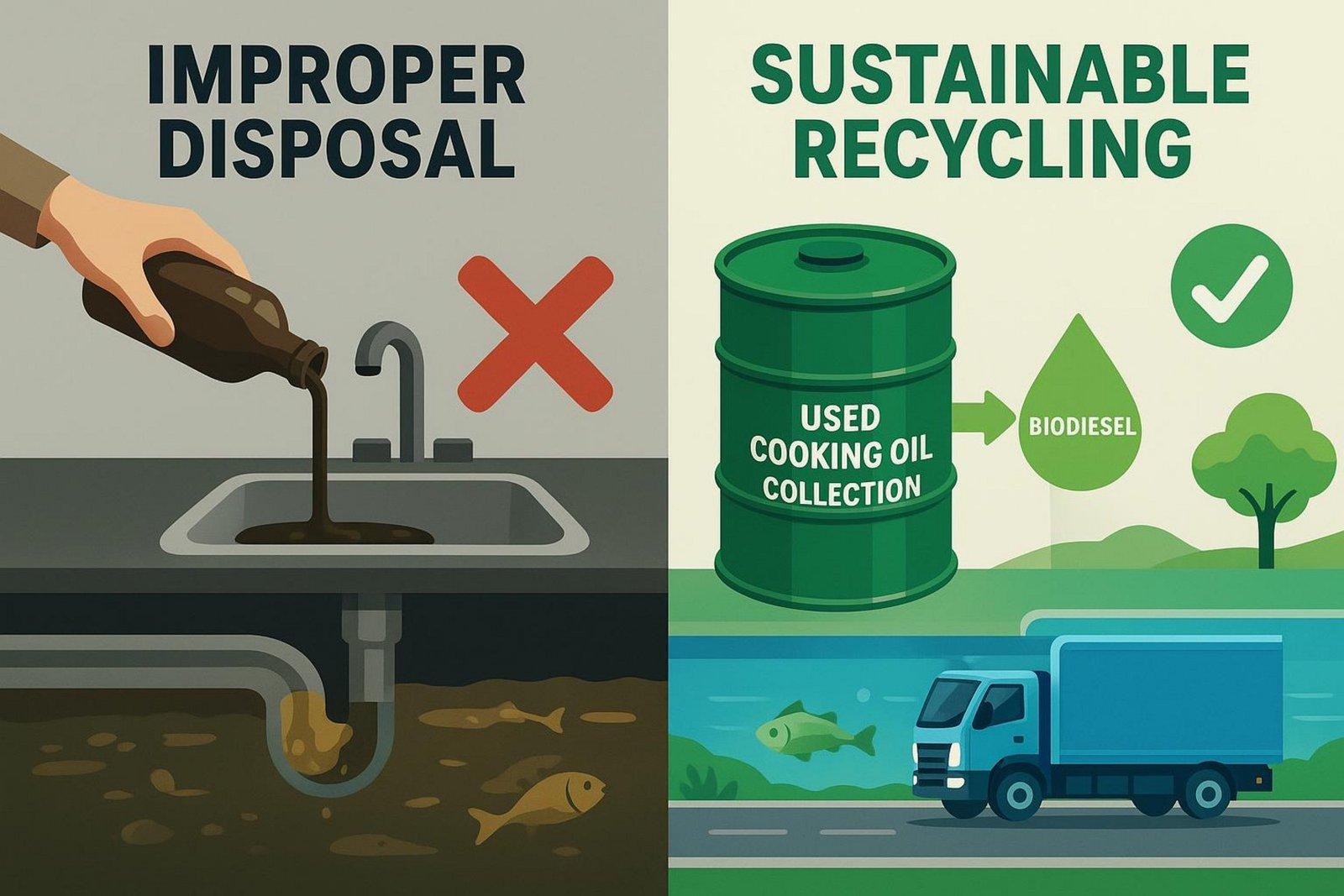
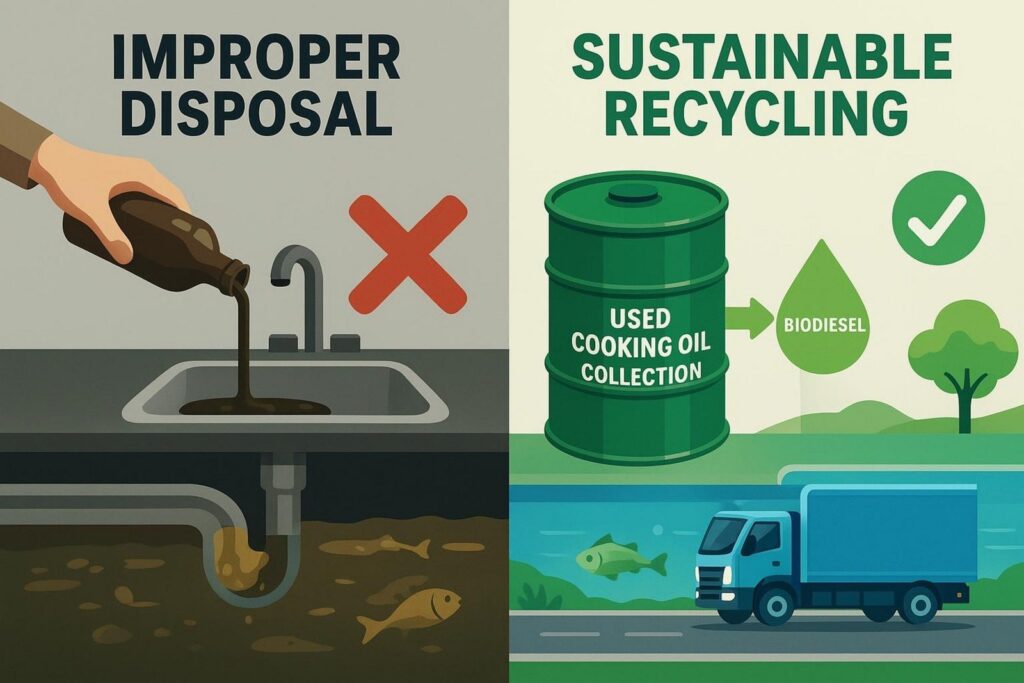
Used cooking oil that is handled badly can harm the environment. Pouring it down drains clogs pipes and lets oil reach waterways, where it blocks sunlight and oxygen, hurting fish and other wildlife. Oil that ends up in landfills adds to waste. Even if oil is collected, throwing it out too early adds to the carbon footprint from producing, moving, and handling that oil.
The good news: used cooking oil can be turned into something useful. Recycling keeps oil out of drains and landfills and can convert it into biodiesel, a cleaner, renewable fuel. This helps cut emissions and reliance on fossil fuels.
This approach also supports your Corporate Social Responsibility (CSR) goals and appeals to guests who care about the environment.
Effects on Food Quality and Customer Experience
Oil quality directly affects food quality. Worn-out oil gets thicker, darker, and picks up off flavors that move into your fried foods. The result can be bitter notes, greasy texture, and poor color. Oil that is repeatedly overheated can also create compounds that may raise health concerns.
Clean, well-kept oil gives fried foods a crisp, golden crust and a steady, pleasant flavor. Regular checks and timely replacement or filtration are important for steady taste and texture. Keep oil quality high and you’ll serve better food, get happier customers, earn good reviews, and drive repeat visits. Good oil means good food, and good food builds a strong reputation.
What Causes Excess Fry Oil Waste in Restaurants?
Knowing what breaks down oil helps you pick the right fixes. Mistakes in fryer use, the chemistry of oil breakdown, and how food is prepped and cooked all play a part.
Common Mistakes in Fryer Operation
Everyday habits can speed up oil breakdown. Common missteps include:
- Leaving fryers uncovered when idle, which lets in air and speeds oxidation
- Keeping oil hotter than 250°F during idle periods
- Dropping food from height, which adds oxygen and breaks up coatings
- Cleaning vats with soap instead of boiling water or fryer-safe cleaners
- Letting crumbs and batter sit in the vat, where they burn and foul the oil
- Seasoning food over the fryer, letting salt and spices fall into the oil
Oil Degradation Factors
Oil breaks down through a mix of chemical changes: oxidation, hydrolysis, and polymerization. These changes speed up with heat, air, water, and food debris.
- Heat: High or long idle heat wears oil out faster
- Water: Wet or frozen foods bring in water, causing splatter, smoke, and hydrolysis
- Oxygen: Air and oxygen inside food drive oxidation, hurting flavor and quality
- Food type: Battered, breaded, moist, salty, or sugary items wear oil out faster
Knowing these factors helps you set up steps that slow breakdown and extend oil life.
Overfilling and Underutilization of Fryers
Filling above the marked level wastes oil and raises burn risks. It does not mean the oil lasts longer; more oil is exposed and breaks down anyway. Using a large fryer for tiny batches also wastes oil because a big volume is heated and aged for little output.
Match fryer size and batch size to your demand. Train staff on fill lines and batch planning so you use only the oil you need.
Poor Oil Storage and Handling
Oil life starts before the fryer. Air, light, and extreme temperatures degrade fresh oil. Storing oil in unsealed containers or in hot, bright areas shortens its life fast.
Once in use, rough handling adds more problems. Spills, dirty filtration gear, and poorly cleaned tanks add contaminants. Better storage tips include:
- Use clean, sealed, non-reactive containers
- Keep oil cool and away from light
- Use bulk delivery into closed tanks to cut exposure
- Keep tanks and hoses clean to avoid contamination
Choosing the Right Frying Oil for Reduced Waste
Your oil choice affects taste, oil life, and waste. Different oils have different smoke points, levels of saturation, and resistance to oxidation. More stable oils last longer under heavy use.
How Oil Quality Affects Lifespan and Waste
High-quality frying oils hold up better at high heat. That means fewer changes, fewer purchases, and less waste. Examples:
| Oil | Flavor | Heat Stability | Notes |
| Canola | Neutral | Medium | Affordable; can wear out faster under high heat |
| High-oleic Canola | Neutral | High | Better stability than standard canola |
| Soybean | Neutral | Medium-High | Common in commercial fryers; blends can boost life |
| Peanut | Light, nutty | High | Durable with a distinct taste; availability varies |
| Blends (e.g., soybean + cottonseed) | Neutral | High | Made for long fry life and steady performance |
Premium oils and blends may cost more upfront but can save money over time by lasting longer and giving better food quality.
Best Practices for Extending Fry Oil Life
Extending oil life takes daily habits, solid technique, and planning. These steps help cut waste and boost efficiency.
Monitoring Oil Quality and Replacement Timing
Regular checks keep food quality steady and help you change oil at the right time. Look for darker color, cloudiness, off smells, or heavy foaming.
Go beyond sight and smell with oil test strips or an electronic meter that reads Total Polar Materials (TPM). Oil above 25% TPM is generally no longer fit for use. This numbers-based approach removes guesswork, so you change oil at the best time-neither too early nor too late.
Fryer Temperature and Heat Control
Heat cooks food, but it also ages oil. Tight control of temperature is very important.
- Lower to below 250°F during idle periods
- Calibrate fryers on a schedule to keep temps accurate
- Cook in the 350-375°F (175-190°C) range
- Turn off unused vats and keep lids on when idle to limit air and heat
Proper Skimming and Filtration Methods
Daily removal of crumbs and fine particles slows breakdown in a big way.
- Skim every 15 minutes during service to remove floating debris
- Filter at least once a day; busy kitchens may need twice daily
- Filter oldest oil first; use filter paper and polishing powder
- Clean the vat during filtration to remove carbon and sludge
Good filtration gear that catches very small particles (down to 0.5 microns) helps oil last longer, cuts replacement frequency, and reduces waste.
Food Preparation Strategies to Reduce Oil Breakdown
How food is prepped matters:
- Thaw frozen items fully and dry foods before frying to keep water out
- Season away from the fryer so salt and spices don’t fall into the vat
- Use coatings that absorb less oil and hold moisture better
- Separate heavy breaded or sugary items (like donuts) into their own vats or rotate them to protect other oil
Fryer Equipment and Technology Solutions
New kitchen tech is changing how restaurants manage oil. The right equipment makes oil use more efficient, safer, and greener.
Oil-saving Fryers and Automated Filtration Systems
Low-oil-volume fryers cook the same amount of food with less oil, cutting purchase and disposal costs.
Automated filtration systems also help a lot. Unlike manual straining, built-in systems can remove fine particles and may run while you cook, keeping oil cleaner without stopping service. Multi-stage filtration can extend oil life by days or even weeks, lower oil spend, and reduce labor and safety risks.
Using Smart Sensors to Monitor Oil Quality
Smart sensors, like TPM probes (for example, Pitco’s SmartOil), track oil quality in real time. You replace oil only when needed, not on a fixed timetable. That prevents early disposal and avoids using oil past its best quality.
Connected systems can link multiple fryers, show oil status across the line, log filtration activity, and send alerts if steps are missed. These tools help managers make better choices and keep practices consistent.
Routine Maintenance for Best Fryer Performance
Even advanced equipment needs steady care to help oil last. Keep fryers clean to avoid carbon buildup and hot spots.
- Boil-out vats on a schedule with fryer-safe cleaners (no soap)
- Check and calibrate temperatures quarterly
- Replace worn gaskets and filters
- Log maintenance to prevent downtime and surprise costs
Pair good equipment with a solid maintenance plan to keep oil quality high and operations smooth.
Effective Oil Storage, Handling, and Disposal
What you do with oil before and after frying matters. Good storage and proper disposal support both efficiency and environmental goals.
Storage Techniques for Prolonged Oil Life
Protect fresh oil from air, light, and heat:
- Store in sealed, non-reactive containers
- Keep cool and out of direct sunlight
- Use bulk, closed delivery systems to cut exposure and contamination
During idle periods, cover fryers and keep oil at steady temperatures. Limiting air, light, and heat helps oil last longer.
Safe and Sustainable Oil Disposal Methods
Do not pour oil down the drain. It clogs pipes and pollutes waterways. Throwing oil in the trash adds to landfill waste. So, choose safe disposal.
Recycling is the best route. Many providers (such as Mopac) collect used oil and turn it into biodiesel, cutting waste and creating cleaner fuel. This supports your CSR goals and meets guest expectations around sustainability.
Partnering with Oil Collection and Recycling Services
Work with a trusted used oil collection partner for routine pick-ups and safe handling. Services often provide secure barrels, help prevent theft and spills, and keep your site tidy. Also, many offer rebates for collected oil, which can turn what looks like a cost into a small revenue stream.
Choosing a recycler that makes biodiesel reduces your kitchen’s environmental impact and supports your brand image with eco-minded customers.
Frequently Asked Questions about Fry Oil Waste in Restaurants
What is the average lifespan of commercial fryer oil?
It varies. Oil type, filtration quality and frequency, menu mix (battered, moist, or sugary foods age oil faster), and total fryer use all affect oil life. Premium soybean oils can last a few days with good care, and advanced filtration can extend life by several days or even weeks-up to about 300% compared to no filtration. The most accurate way to judge is to test with strips or a TPM meter rather than rely on a generic average.
How often should oil be filtered or replaced?
Filter at least once daily, and twice daily in busy kitchens. Skim every 15 minutes during service. Replace oil based on condition, not a fixed date. Watch for dark color, smoke, steady foaming, off smells, and bitter flavors. Use TPM readings; above 25% TPM, the oil is generally no longer fit for use. Good filtration and heat control reduce how often you need a full change.
Can oil recycling bring financial benefits to restaurants?
Yes. Here’s how it helps:
- Longer oil life reduces oil purchases (often by 50% or more with strong filtration habits)
- Fewer disposals lower waste handling costs
- Rebates from collectors add a small revenue stream
Greener practices also support your brand and can attract guests who value sustainability.
Is automated oil management worth the investment?
For most commercial kitchens, yes. Oil tasks are messy and time-consuming when done by hand, so they get skipped. Automated filtration and smart sensors make the work quick and safe and keep it on schedule. You get longer oil life, lower oil and labor costs, steadier food quality, better safety, and strong returns, often within a few months. Remote monitoring and alerts add oversight without extra effort.
Key Takeaways for Restaurant Owners and Managers
In busy restaurant operations, efficiency and sustainability are must-haves for long-term success. Cutting fry oil waste takes a full approach that blends daily best practices, smart tools, and steady training. Every step-from buying oil to final disposal-is a chance to save money, reduce impact, and serve better food.
Building a strong oil program is ongoing. Teach your team about what wears out oil and give them the tools to handle it well. Know your oil types, control heat tightly, and make filtration part of the routine. Add modern fryers and automation that track oil quality in real time and make maintenance easier. Close the loop with reliable recycling partners who collect and repurpose your used oil.
Bottom line: better oil management cuts costs, improves food quality, and creates a safer, cleaner kitchen. It also supports your role as a responsible business and connects with guests who care about sustainability. Smarter oil use is a direct investment in your profits, your people, and the planet.