

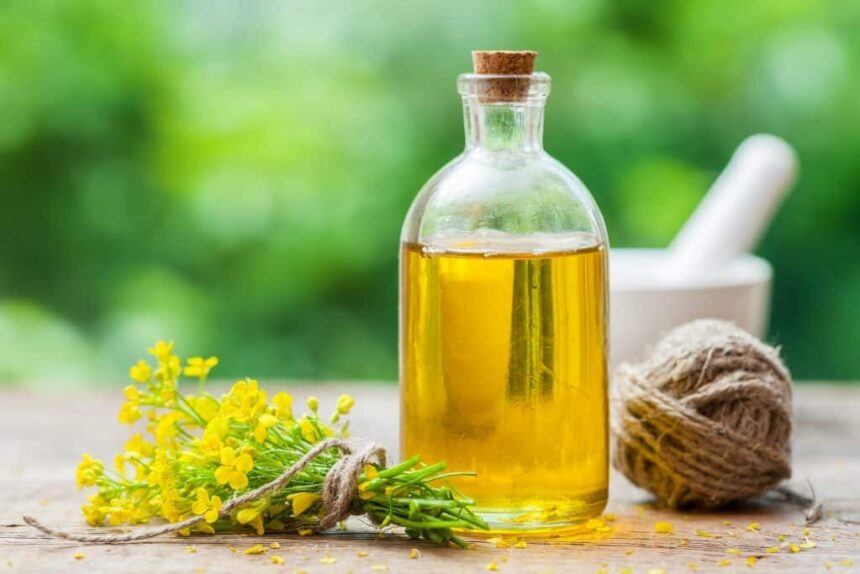
In today’s health-conscious world, more people are looking for natural ways to boost their wellness, and diet plays a central role. Among all dietary choices, cold-pressed oils have emerged as a staple for those seeking pure, nutrient-rich fats. Unlike refined oils, cold-pressed varieties retain the natural nutrients and flavors of seeds, nuts, and fruits.
Whether you’re cooking, dressing salads, or using oils for skincare, switching to cold-pressed oils (šalto spaudimo aliejus) can make a significant difference. In this blog, we’ll explore everything you need to know about cold-pressed oils, their benefits, uses, and how to choose the best ones for your health.
1. What Are Cold-Pressed Oils? (Simple Explanation)
Cold-pressed oils are extracted from seeds, nuts, or fruits using a mechanical press at low temperatures, usually below 120°F (50°C). This method avoids heat and chemical solvents, which are commonly used in refined oil production. As a result, all natural nutrients, antioxidants, and flavors are preserved.
The difference between cold-pressed and refined oils is significant: while refined oils undergo chemical processing and high heat, which removes many nutrients, cold-pressed oils (külmpressitud õli) maintain vitamins, minerals, and healthy fats. This makes them not only healthier for consumption but also more flavorful and aromatic.
2. How Cold-Pressed Oils Are Made: The Natural Extraction Process
The process of cold pressing is simple but effective:
- Selection of Raw Materials: Only high-quality seeds, nuts, or fruits are used.
- Cleaning: Raw materials are cleaned to remove impurities.
- Mechanical Pressing: The cleaned materials are crushed slowly under low pressure, without adding heat.
- Filtration: The oil is filtered to remove solid residues, producing a clear, golden liquid.
Unlike chemical extraction, cold pressing preserves the integrity of the oil, including its vitamins, antioxidants, and natural aroma. Common sources include olive, coconut, sesame, flaxseed, and mustard seeds.
3. Cold-Pressed Oils vs Refined Oils: A Clear Comparison
Understanding the difference between cold-pressed oils and refined oils is essential for making the right choice for your health and cooking needs. Cold-pressed oils are extracted mechanically at low temperatures, which preserves their natural nutrients, including vitamins and antioxidants, while refined oils are processed using chemicals and high heat, resulting in a significant loss of nutrients. The flavor and aroma of cold-pressed oils are strong and natural, offering a richer taste experience, whereas refined oils tend to be mild and neutral.
From a health perspective, cold-pressed oils provide benefits for the heart, skin, and immunity, while refined oils offer limited health advantages. Shelf life also differs: cold-pressed oils need careful storage to maintain their quality, while refined oils last longer due to the chemical processing. For these reasons, cold-pressed oils are best suited for salads, drizzling, and light cooking, whereas refined oils are often preferred for high-heat applications like deep frying.
4. Health Benefits of Cold-Pressed Oils
Cold-pressed oils are more than just flavorful—they are packed with nutrients that support overall wellness. Here’s a breakdown of their key benefits:
Supports Heart Health Naturally
Cold-pressed oils like olive and flaxseed oils are rich in monounsaturated and polyunsaturated fats, which help reduce bad cholesterol (LDL) and increase good cholesterol (HDL). Regular consumption may lower the risk of heart disease and high blood pressure.
Rich in Antioxidants & Vitamins
Many cold-pressed oils contain Vitamin E, polyphenols, and other antioxidants, which combat free radicals in the body. These nutrients help reduce inflammation and slow down the aging process.
Improves Digestion & Metabolism
Healthy fats in cold-pressed oils enhance nutrient absorption and support a healthy gut. Oils like sesame and coconut oil may aid digestion and stimulate metabolism naturally.
Promotes Healthy Skin & Hair
When applied topically, cold-pressed oils nourish the skin and hair. For example, coconut oil hydrates, while olive oil can improve skin elasticity. Internally, their antioxidants support radiant skin and strong hair.
5. Best Cold-Pressed Oils and Their Unique Benefits
Olive Oil
Rich in MUFAs and antioxidants
Best for salads, light sautéing, and drizzling
Coconut Oil
Contains medium-chain triglycerides (MCTs) for energy
Ideal for cooking and skincare
Sesame Oil
Rich in sesamol, an antioxidant
Adds a nutty flavor to stir-fries and dressings
Mustard Oil
Contains omega-3 fatty acids
Used in traditional cooking and massage
Flaxseed Oil
High in omega-3s
Best used raw in salads or smoothies
Tip: Store oils in dark glass bottles to preserve nutrients.
6. How to Use Cold-Pressed Oils Correctly
Using cold-pressed oils properly ensures you get maximum health benefits:
- Cooking: Use oils like olive and coconut for low to medium heat. Avoid high-heat frying with most cold-pressed oils.
- Raw Use: Ideal for drizzling over salads, dips, and smoothies.
- Skincare: Apply directly for hydration and glow, especially coconut and almond oils.
- Storage: Keep away from sunlight and heat to maintain freshness.
- Common mistake: Heating cold-pressed oils beyond their smoke point can degrade nutrients and produce harmful compounds.
7. Cold-Pressed Oils in Daily Wellness & Lifestyle
Cold-pressed oils are more than just cooking ingredients—they play a significant role in promoting holistic wellness and a natural lifestyle. In Ayurveda and traditional medicine, oils like sesame, mustard, and coconut have been used for centuries for their therapeutic properties. These oils are commonly employed in massages, where they help improve circulation, nourish the skin, and promote relaxation. Practices such as oil pulling, which involves swishing oil in the mouth for several minutes, are believed to detoxify the body, improve oral health, and even boost immunity. Certain oils are also incorporated into detox routines to support digestion and overall wellness, demonstrating their versatility beyond culinary use.
Beyond traditional medicine, cold-pressed oils serve as natural remedies in everyday life. Coconut oil, for example, is widely used to soothe minor burns, hydrate dry skin, and strengthen hair, while olive oil provides antioxidants that can help maintain healthy skin and reduce inflammation. Using these oils externally allows you to benefit from their nutrients directly, without relying on synthetic creams or chemical-laden products.
Incorporating cold-pressed oils into daily routines also encourages a holistic, chemical-free lifestyle. By replacing refined or processed oils with nutrient-rich cold-pressed varieties, you not only enhance your diet but also support overall health in a natural way. Whether it’s drizzling a salad with olive oil, massaging with sesame oil, or using coconut oil in your hair care routine, these oils integrate seamlessly into daily wellness practices, making them a simple yet powerful tool for long-term health and vitality.
8. How to Choose High-Quality Cold-Pressed Oils
When buying cold-pressed oils, quality is key:
- Check the Label: Look for “cold-pressed” or “extra virgin” claims.
- Packaging: Prefer dark glass bottles over plastic to prevent oxidation.
- Freshness: Avoid oils with rancid smell or long shelf life.
- Price & Source: Authentic cold-pressed oils are usually slightly more expensive due to careful extraction.
9. Common Myths About Cold-Pressed Oils (Debunked)
Myth 1: “All oils are the same.” → False, cold-pressed oils retain more nutrients.
Myth 2: “Cold-pressed oils can’t be cooked.” → True only for high-heat frying; low-medium heat is safe.
Myth 3: “They’re too expensive.” → They provide more nutrition per drop, making them cost-effective in the long run.
10. Who Should Use Cold-Pressed Oils?
Cold-pressed oils are suitable for:
- Families & Children: Safe, nutrient-rich fats for growth and development.
- Fitness Enthusiasts: Provide healthy energy and support muscle recovery.
- People with Heart or Digestive Concerns: Improve cholesterol, metabolism, and gut health.
11. FAQs About Cold-Pressed Oils
Are cold-pressed oils healthier?
Absolutely, because they retain natural nutrients and healthy fats.
Can cold-pressed oils be used for frying?
Use for low to medium heat; avoid deep frying.
How long do cold-pressed oils last?
Typically 6–12 months when stored in a cool, dark place.
Are cold-pressed oils suitable for weight loss?
Yes, in moderation, they provide healthy fats that support metabolism.
12. Final Thoughts
Switching to cold-pressed oils is more than a culinary upgrade—it’s a lifestyle choice. They offer natural nutrients, antioxidants, and healthy fats that support your heart, skin, digestion, and overall wellness. By incorporating them into your cooking, skincare, and daily routines, you invest in long-term health naturally.
Whether you’re a health enthusiast, a busy parent, or someone exploring holistic living, cold-pressed oils provide a simple yet powerful way to enhance your wellbeing naturally. Make the switch today and experience the purest way to boost your health.