

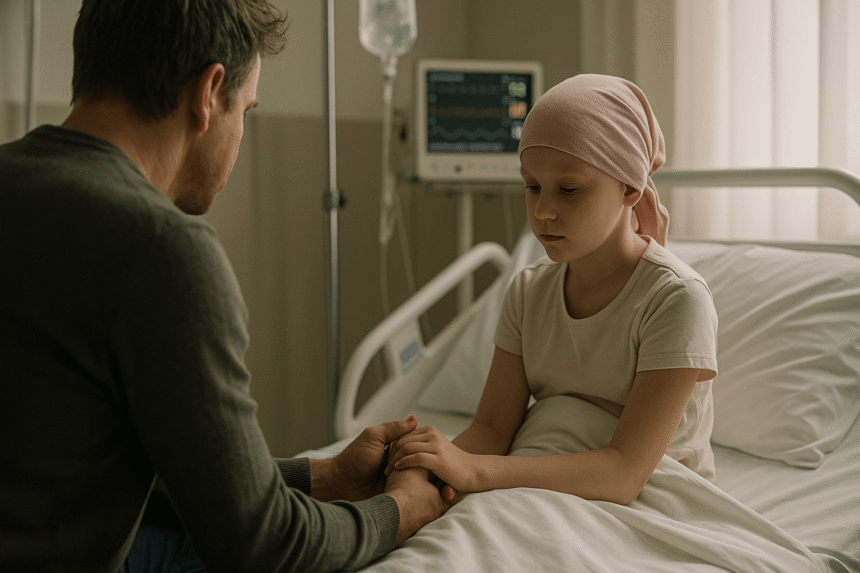
In the age of social media, celebrity rumors can spread faster than facts. One such topic that has gained online traction is the claim that Jeremy Renner’s daughter has cancer. Fans searching for updates often encounter misleading headlines, unverified blogs, or social media posts that blur the line between truth and speculation.
Jeremy Renner, best known for his role as Hawkeye in the Marvel Cinematic Universe, has always been protective of his personal life—especially when it comes to his daughter. This privacy, combined with internet speculation, has fueled confusion and concern among fans.
This article aims to set the record straight, address the rumor responsibly, and provide verified information—while also discussing the broader issue of celebrity misinformation and why such stories go viral.
Who Is Jeremy Renner?
Jeremy Renner is an acclaimed American actor, producer, and musician. He rose to prominence through critically acclaimed performances in films such as:
- The Hurt Locker
- The Town
- Arrival
- Marvel’s Avengers franchise
Beyond Hollywood, Renner is also known for his resilience following a serious snowplow accident in early 2023, which drew global support and admiration for his recovery journey.
Despite his fame, Renner has consistently chosen to keep his family life out of the spotlight.
Jeremy Renner and His Daughter
Jeremy Renner has one daughter, Ava Berlin Renner, born in 2013. Ava is the center of his life, and Renner has frequently spoken about how fatherhood changed his priorities.
However, he rarely shares details about her life publicly. This intentional privacy is one reason why rumors can gain momentum—because there is limited information available to confirm or deny claims quickly.
The Cancer Rumors: Where Did They Come From?
Is Jeremy Renner’s Daughter Sick?
No. As of now, there is no credible or verified evidence that Jeremy Renner’s daughter has cancer or any serious illness.
The rumor appears to have originated from:
- Clickbait blog headlines
- Misinterpreted social media posts
- General confusion around Renner’s own health struggles
Some websites use emotionally charged topics to drive traffic, often without reliable sources. Unfortunately, when a celebrity child is involved, such rumors can feel especially alarming.
Official Statements and Verified Information
Jeremy Renner has never publicly stated that his daughter has cancer.
No reputable news outlet has reported such a diagnosis.
No official representatives or family sources have confirmed any illness.
In contrast, Renner has posted multiple times emphasizing how his daughter motivates him to stay healthy and strong—particularly during his recovery from his accident.
Why Do Celebrity Health Rumors Spread So Easily?
1. Privacy Creates Information Gaps
When celebrities protect their families, the lack of information can be misinterpreted as secrecy.
2. Emotional Topics Drive Clicks
Health-related stories—especially involving children—generate strong emotional reactions, making them attractive to unethical content creators.
3. Social Media Amplification
A single unverified post can be reshared thousands of times within hours.
4. Search Engine Misuse
Some websites deliberately target trending search terms like “Jeremy Renner daughter cancer” for SEO purposes, even when the claim is false.
Jeremy Renner as a Father
Jeremy Renner has repeatedly stated that fatherhood is his greatest role. In interviews, he has shared that he turned down major film projects to spend more time with his daughter.
After his near-fatal accident, Renner credited Ava as a key reason he fought so hard to recover. His posts reflect gratitude, love, and determination—not concern over her health.
This context further contradicts claims that his daughter is battling a serious illness.
The Importance of Responsible Reporting
Spreading false health information—especially about a child—can have real consequences:
- Emotional distress for families
- Misinformation reaching millions
- Erosion of trust in media
Responsible journalism and ethical blogging require fact-checking, credible sources, and respect for privacy.
Childhood Cancer Awareness: Separating Facts from Fiction
While this rumor is false, childhood cancer is a real and serious issue affecting millions of families worldwide. Using false celebrity stories to highlight awareness can actually harm legitimate advocacy efforts.
If awareness is the goal, it should be done:
- With accurate statistics
- Through verified charities
- Without exploiting real individuals
How Fans Can Avoid Misinformation
Here are a few ways readers can protect themselves from false celebrity health stories:
- Trust major, reputable news outlets
- Avoid sensational headlines
- Check publication dates and sources
- Be cautious with social media claims
- Ask: Is this confirmed anywhere else?
Frequently Asked Questions (FAQs)
Does Jeremy Renner’s daughter have cancer?
No. There is no verified or credible information indicating that Jeremy Renner’s daughter has cancer.
Has Jeremy Renner spoken about his daughter’s health?
Jeremy Renner has not reported any serious health issues concerning his daughter and keeps her life private.
Why do people believe this rumor?
The rumor likely spread due to misinformation, clickbait content, and confusion surrounding Jeremy Renner’s own medical recovery.
Is Jeremy Renner’s daughter sick?
There is no public evidence or statement confirming any illness.
How old is Jeremy Renner’s daughter?
Ava Berlin Renner was born in 2013.
Does Jeremy Renner support cancer charities?
While Renner has supported various causes, no public link ties him specifically to childhood cancer advocacy due to personal family illness.
Conclusion
The claim that Jeremy Renner’s daughter has cancer is false. No credible sources, statements, or reports support this rumor. What we do know is that Jeremy Renner is a devoted father who values privacy and has shown immense strength in overcoming personal challenges.
In an era where misinformation spreads rapidly, it’s more important than ever to rely on facts, verify sources, and respect the boundaries of public figures—especially when children are involved.
By choosing accuracy over sensationalism, readers and writers alike can help create a more responsible digital space.