

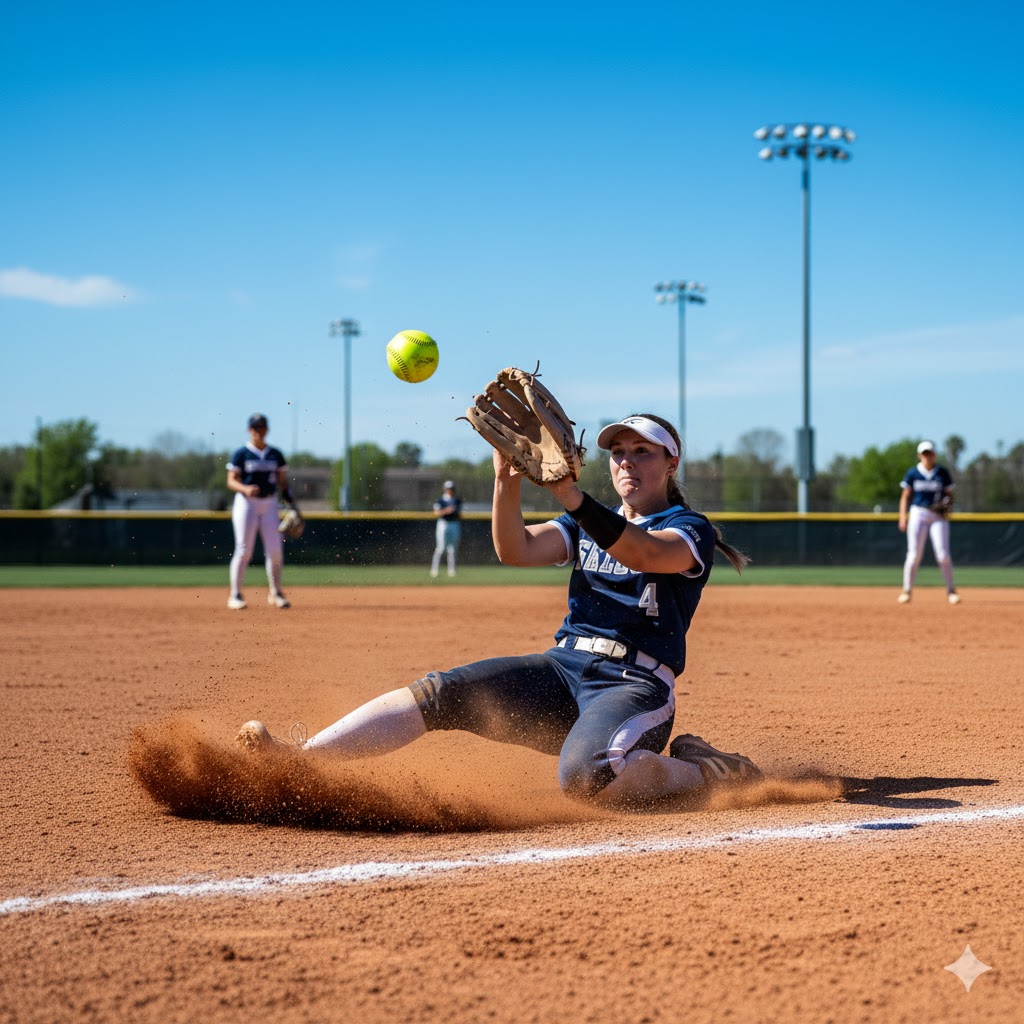
Softball—often spelled as sã³fbol in some regions—is one of the most exciting and accessible team sports in the world. Whether you’re just curious or ready to pick up a bat, this guide breaks everything down in a simple, friendly, and engaging way.
Understanding the Origins of Sã³fbol
Early Development
Sã³fbol began in the late 1800s as an indoor version of baseball. It was originally played with boxing gloves and broomsticks—funny, right? Over time, it evolved into a structured sport with specific rules and equipment.
How the Game Evolved
As the sport gained popularity, standardized rules were created, making sã³fbol a recognized competitive sport worldwide.
Basic Rules of Sã³fbol
Field Layout
The field is shaped like a diamond with four bases: first, second, third, and home plate.
Player Positions
A typical team has nine players: pitcher, catcher, infielders, and outfielders.
Scoring System
Score a run by hitting the ball and rounding all bases to reach home plate.
Equipment Needed to Play Sã³fbol
Ball Specifications
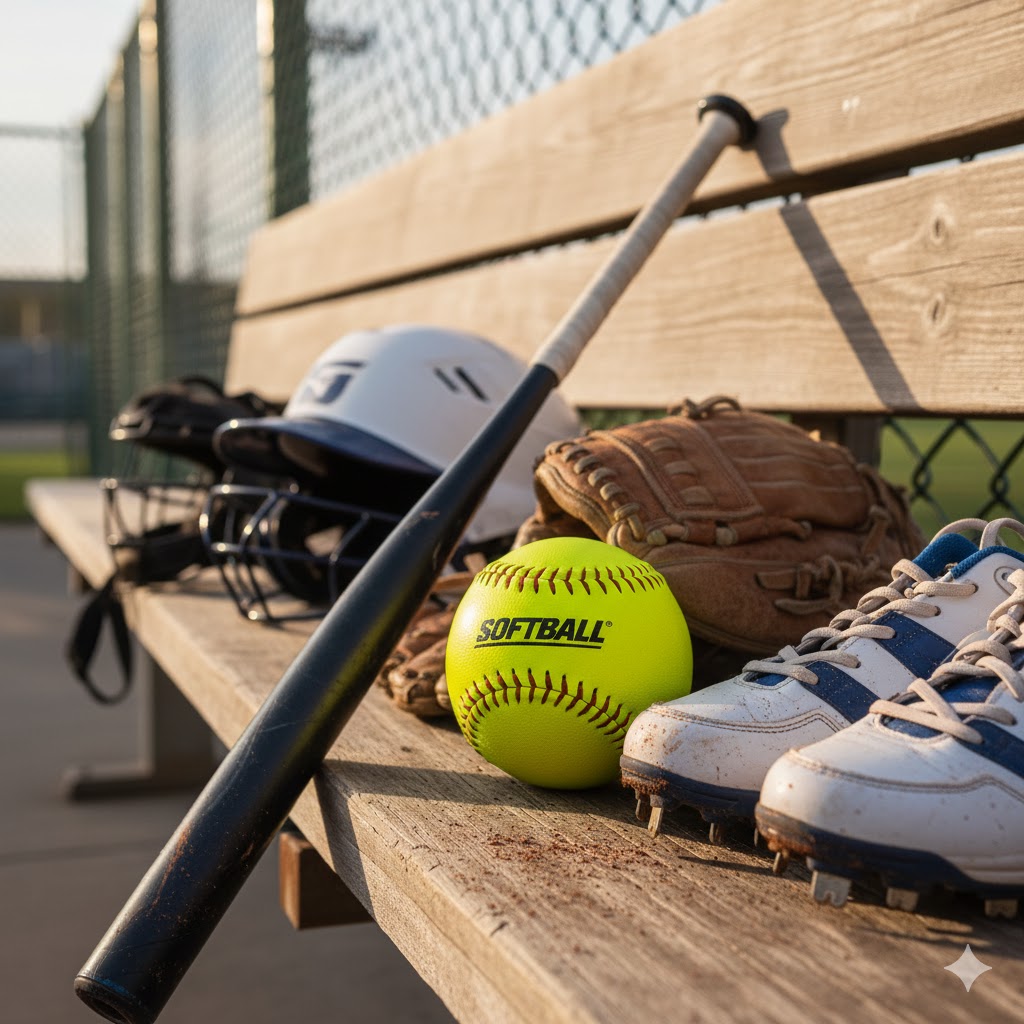
The softball is larger than a baseball—usually 11 or 12 inches.
Bat Types
Players use aluminum or composite bats designed for different levels of play.
Protective Gear
Helmets, gloves, catcher’s gear, and sometimes face masks are used for safety.
How to Play Sã³fbol
Pitching Techniques
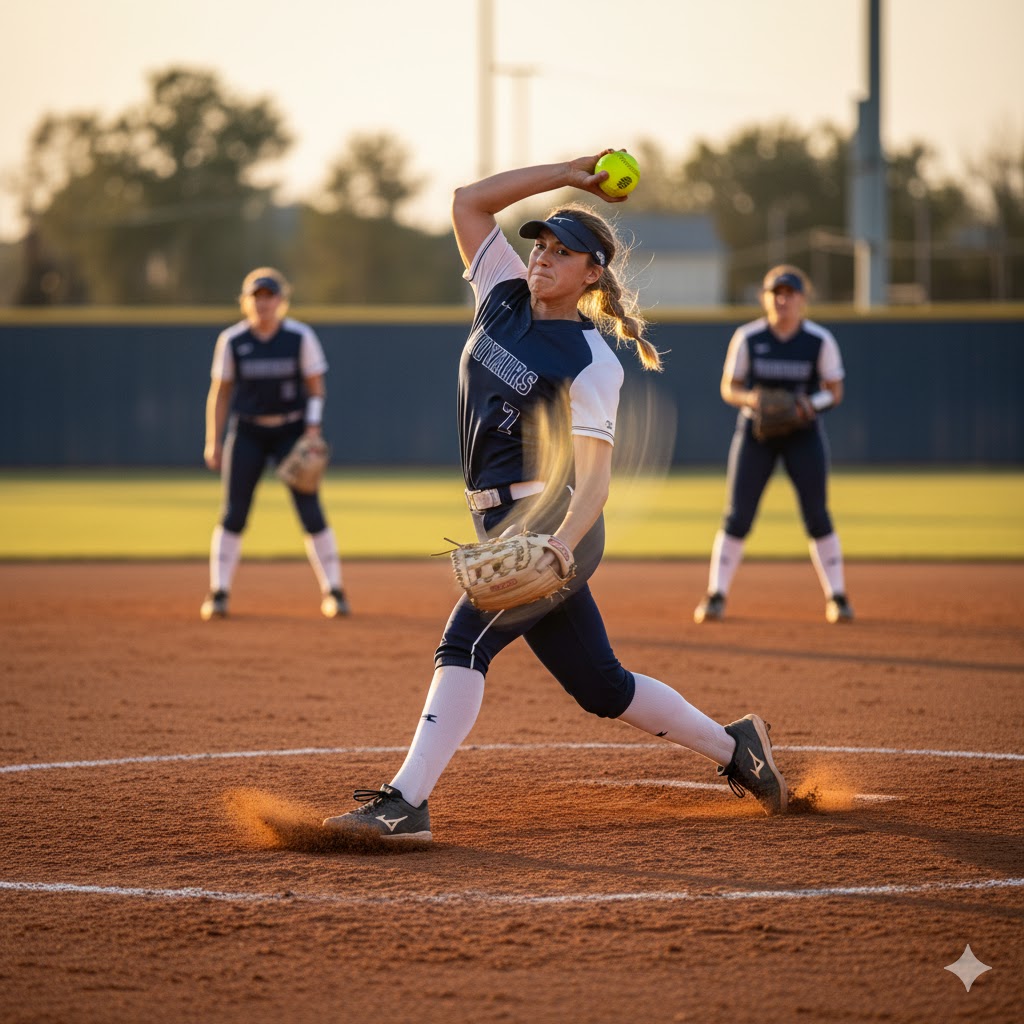
Pitchers throw the ball underhand, but trust me—it’s harder than it looks!
Batting Basics
A good batter watches the ball closely and swings with proper form.
Running and Stealing Bases
Speed and timing matter—steal the base when the opportunity is right.
Types of Sã³fbol
Fastpitch
Known for high-speed pitches and competitive play.
Slowpitch
Great for beginners and casual games with friends.
Modified Pitch
A hybrid of fastpitch and slowpitch.
Popular Strategies in Sã³fbol
Offensive Strategies
Bunting, power hitting, and aggressive base running can change the game.
Defensive Strategies
Smart positioning and quick fielding keep opponents from scoring.
Benefits of Playing Sã³fbol
Physical Benefits
Builds strength, flexibility, endurance, and coordination.
Mental and Social Benefits
Boosts teamwork, communication, and confidence.
Common Mistakes Beginners Make
Fielding Errors
Not staying low or misjudging fly balls are common issues.
Base Running Mistakes
Hesitating or overrunning bases can cost valuable plays.
How to Get Better at Sã³fbol
Training Tips
Practice hitting, pitching, and catching regularly.
Practice Drills
Use drills to improve speed, accuracy, and reaction time.
Sã³fbol for Kids and Beginners
Youth Leagues
Local leagues are perfect for learning the sport in a fun environment.
Safety Tips
Use proper gear, warm up, and always stay aware of your surroundings.
Sã³fbol Around the World
Growing Popularity
The sport is gaining traction globally, thanks to its fun and inclusive nature.
Major Tournaments
International tournaments bring together the best players in the world.
Conclusion
Sã³fbol is more than just a game—it’s a community, a workout, and a lifelong hobby. Whether you want to compete, stay active, or just have fun, this sport has something for everyone. Grab a glove, step onto the field, and enjoy the thrill of the game!
FAQs
1. Is sã³fbol the same as softball?
Yes! “Sã³fbol” is simply an alternate spelling used in some languages.
2. Can beginners start with slowpitch?
Absolutely—slowpitch is perfect for new players.
3. What size ball should I use?
Most adults use a 12-inch ball, while kids often use 11-inch.
4. Is sã³fbol safe for children?
Yes, with proper equipment and supervision.
5. How long does a typical game last?
Most games last around 60 to 90 minutes.
Read More Understanding KL7CJNSB8FB162068 Complete Guide to Meaning, Usage & Importance