

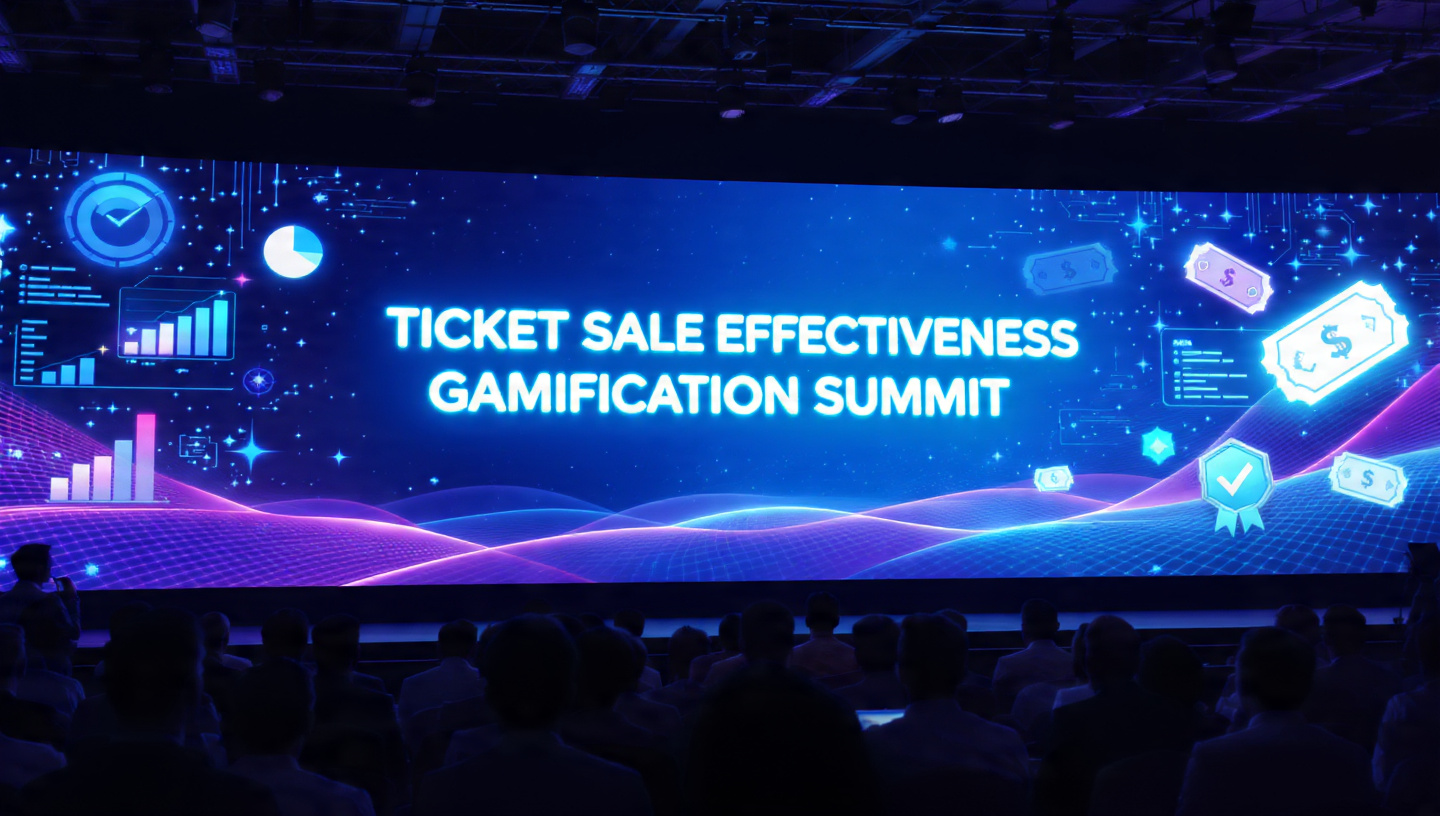
In the evolving landscape of digital events, the concept of ticket sale effectiveness GamificationSummit has emerged as a pivotal theme for organizers seeking stronger engagement, higher conversion rates, and more meaningful audience interaction. At its core, the idea blends innovative gamification strategies with data-driven ticketing practices to create an immersive experience even before an event begins. Whether the objective is to boost early-bird participation, encourage social sharing, or increase overall sales performance, the principles behind ticket sale effectiveness at a GamificationSummit environment illustrate how deeply psychology, technology, and storytelling intersect. As more brands, creators, and event planners turn to gamified structures—such as challenges, reward systems, milestones, and interactive narratives—the importance of understanding how these mechanisms genuinely influence consumer behavior becomes essential.
The integration of ticket sale effectiveness GamificationSummit strategies reflects a broader shift within the live-event industry, where user experience and engagement are valued just as highly as the event itself. Instead of relying on traditional ticketing funnels, modern organizers focus on dynamic systems that motivate users through playful interaction, curiosity, and achievable rewards. This approach not only elevates the pre-event journey but also establishes emotional ties that can significantly impact long-term loyalty. As digital environments become increasingly competitive, especially with hybrid and virtual events reshaping audience expectations, crafting a compelling gamified ticket journey can differentiate an event from the crowd. The power of gamification lies in its ability to make participants feel involved, recognized, and valued, ultimately turning the ticket-buying process into an enjoyable narrative rather than a simple transaction.
Understanding the philosophy behind ticket sale effectiveness GamificationSummit means examining the ways in which human motivation drives decisions. Gamification models tap into both intrinsic and extrinsic incentives, leveraging elements such as competition, progress tracking, and social acknowledgment. When applied to the ticketing sphere, these elements help reduce friction, elevate perceived value, and encourage quicker conversion decisions. By exploring these mechanisms through comprehensive analysis, real-world examples, and strategic frameworks, this article illuminates how gamification reshapes the modern ticket-selling ecosystem. It serves as a narrative-driven exploration of how creativity and user psychology come together to redefine event engagement from the ground up.
Gamification as a Catalyst for Ticket Sale Effectiveness at GamificationSummit
Gamification has rapidly become a powerful catalyst for improving ticket sale effectiveness GamificationSummit, particularly as event organizers strive to create more dynamic pre-event experiences. By embedding game-like elements such as point systems, digital badges, leaderboards, and mission-based incentives, organizers can stimulate participation and elevate the emotional experience tied to ticket purchasing. Unlike conventional marketing funnels that rely heavily on persuasive messaging, gamified structures encourage active user involvement. The psychological appeal stems from the sense of achievement and progression that games naturally evoke; users feel compelled to complete tasks, unlock rewards, and share their progress with peers. These mechanics not only enhance engagement but also extend the exposure cycle, keeping the event visible and relevant across social platforms. Furthermore, gamification fosters intrinsic motivation—participants engage because the process itself is enjoyable, which ultimately influences their purchasing behavior in a positive and measurable way. For organizers, this translates into increased conversion rates, enhanced visibility, and persistent community interaction long before the event itself begins.
The second major benefit of gamification within ticket sale effectiveness GamificationSummit lies in its ability to personalize the customer journey. Traditional ticketing processes often treat all audience segments the same, but gamified systems enable organizers to tailor challenges, rewards, and content according to user behavior and preferences. For example, a returning attendee might be offered a bonus challenge that acknowledges their loyalty, while a first-time visitor may receive an introductory quest that educates them about the event’s value proposition. This segmentation not only enhances user satisfaction but also strengthens long-term trust and loyalty. Personalization also allows organizers to gather richer behavioral data, transforming each interactive touchpoint into insight that can refine future marketing campaigns. The result is a smarter, more adaptive ticketing ecosystem that supports both short-term sales goals and long-term brand engagement. Ultimately, gamification empowers event organizers to craft ticket journeys that feel alive—full of discovery, incentives, and meaning—thereby establishing the GamificationSummit as a benchmark for future-ready marketing strategies.
How Behavioral Psychology Enhances Ticket Sale Effectiveness GamificationSummit
Behavioral psychology sits at the heart of effective gamification strategies, and its influence on ticket sale effectiveness GamificationSummit cannot be overstated. Human behavior is largely driven by cognitive biases, reward mechanisms, and emotional triggers. Gamification taps into these instinctive responses through carefully designed incentives that nudge individuals toward a desired action. Concepts like the “goal-gradient effect” suggest that people accelerate their efforts as they move closer to completing a goal—making milestone-based systems particularly powerful in driving faster ticket conversions. Moreover, the use of variable reward schedules, similar to those found in popular digital games, helps maintain user curiosity and repeated interaction. When individuals cannot predict exactly what reward they might receive, engagement tends to remain consistently high. These psychological triggers not only heighten interest but also create deeper memory imprinting, meaning users are more likely to recall the event and its associated brand. Through the deliberate application of these principles, organizers at GamificationSummit transform passive viewers into active participants.
Another essential psychological driver in ticket sale effectiveness GamificationSummit is social reinforcement. Humans have a natural inclination toward social comparison, group belonging, and peer acknowledgment. Gamification amplifies these tendencies through visible leaderboards, social-sharing incentives, and collaborative challenges. When attendees see peers participating, earning rewards, or sharing progress online, a ripple effect of motivation unfolds. Social proof boosts credibility, and the desire to “keep up” or outperform others generates additional momentum in the ticket-buying process. Furthermore, social gamification encourages the formation of micro-communities—groups of users who share tips, celebrate achievements, and collectively promote the event. This organic advocacy significantly reduces marketing costs while expanding reach and engagement. Through behavioral psychology, gamification becomes a tool that not only improves sales performance but also deepens emotional connection, redefines user dynamics, and enhances the overall identity of the event.
Conclusion
The evolution of ticket sale effectiveness GamificationSummit reflects a broader transformation within the event industry—one that prioritizes immersive experiences, data-driven personalization, and the innate human desire for engagement and reward. Through the strategic use of gamification, organizers can elevate ticketing from a simple transactional step into a rich, interactive journey that captivates audiences long before the event begins. From behavioral psychology to personalized challenges and social reinforcement, the principles behind gamified ticketing strengthen both short-term sales outcomes and long-term brand loyalty. As events continue adapting to digital innovation and shifting consumer expectations, the GamificationSummit model stands as a compelling example of how creativity and analytics can come together to produce remarkable results. Ultimately, mastering ticket sale effectiveness through gamification is not just a marketing approach—it is a new narrative of participation, motivation, and audience connection.
Read More Exchange Ftasiatrading: A Complete Guide for Traders and Beginners