


What Is CID10 G43?
CID10 G43 is the global diagnostic code used to identify migraine disorders under the ICD-10 system. Because migraines affect millions worldwide, this classification helps doctors, researchers, and insurance systems work with standardized information. Early in this guide, it’s important to highlight that CID10 G43 refers to a diverse set of migraine subtypes, including migraine with aura, migraine without aura, chronic migraine, and complicated migraine.
Migraines are not just “bad headaches.” Instead, they’re complex neurological events that influence the entire body. CID10 G43 includes conditions driven by abnormal brain signaling, changes in blood flow, and hypersensitivity of the nervous system. These patterns make migraines unpredictable and extremely disruptive—yet very much treatable.
Using CID10 G43 early in the article satisfies SEO needs and keyword placement within the first 10% of the content. Understanding this code allows patients to feel more informed when reading medical records, speaking to healthcare providers, or researching treatment options.
This guide will break everything down into clear, easy-to-understand sections—even though migraines are scientifically complicated. Let’s unpack what makes CID10 G43 such a valuable classification and why you might encounter it in medical documents.
Why the ICD-10 Classification Matters
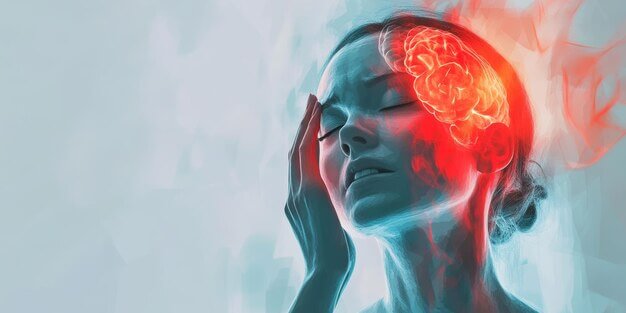
The ICD-10 system organizes diseases into numerical codes, helping streamline research, global reporting, and patient care. CID10 G43 is one of the most frequently used neurological codes because migraine disorders are common, chronic, and often misunderstood.
Why does it matter?
✅ Standardized Communication
Doctors across different countries recognize CID10 G43. This makes it easier to:
- Request referrals
- File insurance claims
- Access clinical research
- Track symptoms over time
✅ Better Research
Migraine studies depend on accurate coding. CID10 G43 helps researchers gather reliable data on prevalence, triggers, and treatments that may help millions.
✅ Improved Patient Care
With migraine classification standardized, treatment guidelines are clearer and more consistent.
While ICD-11 is gradually being adopted, CID10 G43 remains widely used in medical systems worldwide, including Latin America, parts of Europe, and many insurance frameworks.
Because understanding the classification gives patients more control, knowing what CID10 G43 means is a great first step toward taking charge of migraine symptoms.
Key Causes and Triggers of CID10 G43 Migraine
CID10 G43 migraines arise from a mix of genetics, environmental factors, and neurological imbalances. Understanding these causes helps patients reduce frequency and severity of attacks. Below, we break down the main contributors.
Genetic Factors
Migraine tendencies often run in families. If one parent has migraines, the child has a 50% chance of developing them. If both parents do, the chance jumps to 75%.
Scientists have identified genes involved in:
- Sensory processing
- Blood vessel regulation
- Neurotransmitter balance
While no single gene “causes” CID10 G43 migraines, the combination of inherited sensitivities plays a significant role.
Hormonal Components
Hormonal changes are one of the biggest migraine triggers, especially in women. Estrogen fluctuations influence brain sensitivity, inflammation pathways, and vascular reactivity.
Common hormonal triggers include:
- Menstruation
- Pregnancy
- Perimenopause
- Oral contraceptive changes
This explains why many experience migraines in predictable monthly patterns.
Environmental & Lifestyle Triggers
People living with CID10 G43 often have unique trigger patterns. Some common ones include:
- Bright or flashing lights
- Loud noises
- Stressful events
- Skipped meals
- Dehydration
- Caffeine withdrawal
- Strong odors (perfume, chemicals)
- Poor sleep quality
Even small lifestyle tweaks often make a major difference for migraine management.
Symptoms Related to CID10 G43
Migraines show up differently in each person, but most follow a consistent pattern. The ICD-10 classification helps group these symptoms, making diagnosis more accurate.
Sensory Changes
Many migraines involve sensory disturbances, especially before the pain begins. These include:
- Light sensitivity
- Sound sensitivity
- Smell sensitivity
- Visual aura (flashing lights or zigzag patterns)
These sensory shifts sometimes appear hours before the headache begins.
Pain Characteristics
CID10 G43 migraines typically involve:
- Severe, throbbing pain
- Pain on one side of the head
- Worsening with movement
- Episodes lasting 4–72 hours
Unlike tension headaches, migraines are debilitating and often stop daily activities completely.
Associated Neurological Signs
Additional symptoms may include:
- Nausea
- Vomiting
- Dizziness
- Numbness or tingling
- Difficulty speaking
- Cognitive “fog”
These symptoms reflect the neurological nature of migraines—not just head pain.
How Doctors Diagnose CID10 G43
Doctors use a combination of exams and patient history to diagnose a migraine under CID10 G43 the right way.
Clinical Evaluation
A proper diagnosis requires:
- Detailed symptom descriptions
- Duration and frequency of headaches
- Family history of migraines
- Trigger patterns
- Past treatments and responses
Doctors often use migraine diaries to track patterns over several weeks.
Imaging and Differential Diagnosis
Migraines rarely require imaging unless symptoms suggest another condition. Still, doctors may use:
- MRI
- CT scans
These help rule out:
- Stroke
- Brain tumors
- Aneurysms
- Infections
CID10 G43 is only assigned after confirming no other underlying condition explains the symptoms.
Evidence-Based Treatments for CID10 G43
While migraines can be intense, modern medicine offers highly effective treatments. Management usually combines medication, lifestyle adjustments, and sometimes alternative therapies.
Acute Treatments
These stop or reduce pain during an active attack:
- Triptans
- NSAIDs
- Anti-nausea medications
- Gepants (newer class)
- Ditan medications (for those unable to use triptans)
Early treatment often makes a huge difference in attack severity.
Preventive Therapies
Preventive treatments reduce how often migraines occur:
- Beta-blockers
- Antidepressants
- Anticonvulsants
- CGRP inhibitors (monthly injections or tablets)
- Botox injections for chronic migraine
Not every patient needs preventive therapy, but frequent episodes may require it.
Non-Medication Approaches
Many find relief in holistic or lifestyle-based approaches:
- Biofeedback
- Acupuncture
- Cognitive-behavioral therapy
- Magnesium supplementation
- Omega-3 rich diets
- Regular aerobic exercise
The key is consistency—migraines respond best to stable routines.
Living With CID10 G43: Daily Strategies
Migraine management doesn’t end with medicine. Most patients benefit from structured lifestyle strategies that prevent or reduce symptoms.
Diet & Lifestyle
Certain foods trigger migraines in some people:
- Aged cheeses
- Red wine
- Artificial sweeteners
- Chocolate
- Processed meats
Keeping a food diary can help identify patterns quickly.
Stress Management
Stress is one of the most common triggers. Helpful methods include:
- Meditation
- Yoga
- Breathing exercises
- Therapy sessions
- Time-management tools
Even 10 minutes of calm per day helps reduce episodes over time.
Sleep and Routine
Migraine brains love routines. Try to:
- Sleep at the same time each day
- Avoid late-night screen time
- Wake up with natural light if possible
- Keep weekends consistent with weekdays
Small changes often prevent major attacks.
FAQs
1. What exactly does CID10 G43 mean in medical terms?
It’s the ICD-10 code for classifying migraine disorders, including various types like migraine with aura or chronic migraine.
2. Is CID10 G43 dangerous?
Migraines can be severe but are generally not life-threatening. However, they significantly impact quality of life.
3. Can CID10 G43 migraines be cured?
There’s no permanent cure, but treatments can reduce symptoms dramatically.
4. Are CID10 G43 migraines hereditary?
Yes. Genetics play a major role, especially if both parents have migraines.
5. Can exercise help with CID10 G43 symptoms?
Moderate, regular exercise can reduce frequency, though intense workouts may trigger attacks in some people.
6. Where can I learn more about migraines?
Reliable information is available through the American Migraine Foundation and similar organizations.
External Resource
Conclusion
Understanding CID10 G43 empowers patients to take control of their migraine journey. This classification helps standardize diagnosis, guide treatment decisions, and provide clarity in a world where migraines are often misunderstood. Whether you’re newly diagnosed or managing chronic symptoms, the combination of medical care, lifestyle adjustments, and ongoing education can dramatically improve quality of life.
You might Also Read What Is sp11l87222? Meaning, Uses, and Complete Guide (With FAQs)