
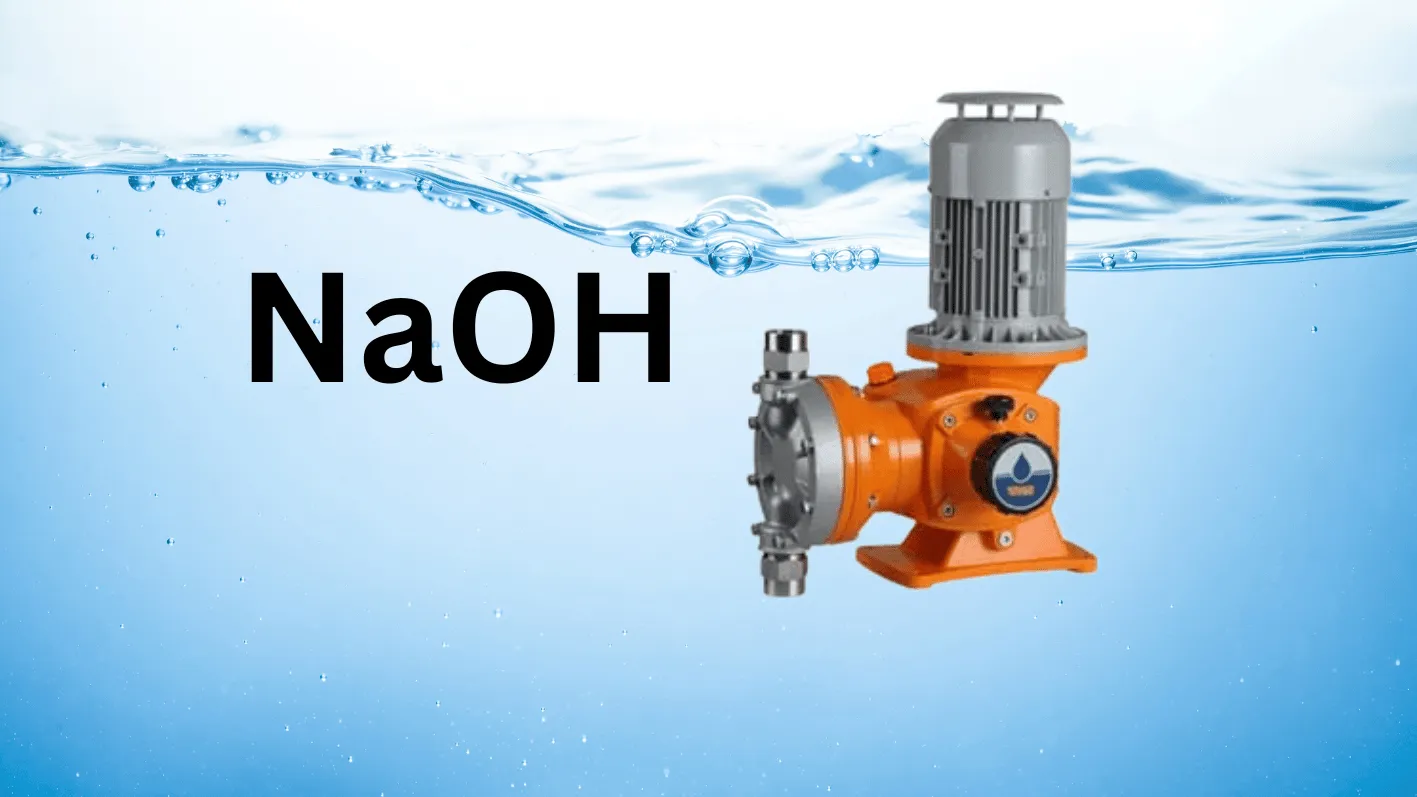
In industries where sodium hydroxide (NaOH) is used daily, even small mistakes in dosing can lead to huge costs. Overdosing or underdosing can corrode pipes, damage pumps, disrupt production, and invite regulatory penalties. A naoh dosing pump is designed to prevent these failures by controlling, measuring, and safely delivering caustic soda into your system.
Whether you’re running a wastewater treatment plant, a chemical production line, or a boiler feed system, NaOH is one of your most sensitive inputs. Relying on manual dosing or general-purpose pumps risks inconsistent pH, equipment wear, and wasted chemicals. This article explains why precise dosing matters, what makes a real NaOH dosing pump different, and how to choose the right one for your application.
The Risks of Improper Sodium Hydroxide Handling
Sodium hydroxide is a strong alkali. In concentrated form, it attacks metals, seals, coatings, and even some polymers. When mixed incorrectly, it can also react violently with other process chemicals.
Common Consequences of Manual or Inaccurate NaOH Dosing
| Issue | Cause | Result |
| Pipe & tank corrosion | Overdosing or high-concentration streams | Leaks, unplanned shutdown |
| pH imbalance | Underdosing or inconsistent flow | Effluent non-compliance, fines |
| Seal & pump damage | Using non-alkali-rated equipment | Premature failure, replacement cost |
| Chemical waste | Excess NaOH downstream | Higher chemical spend, extra neutralization |
| Operator hazard | Splashes or fumes from manual handling | Safety incident, injury |
Even a small deviation in caustic dosing can cost lakhs in repairs, chemical loss, and production downtime. The risk multiplies when you have multiple dosing points across a plant.
What Makes a NaOH Dosing Pump Different?
Not all pumps can handle caustic soda. Many standard pumps—gear, centrifugal, or basic diaphragm types—fail within months under high pH service. A purpose-built NaOH dosing pump addresses three main challenges: corrosion, dosing accuracy, and leak containment.
Core Features in a Purpose‑Built NaOH Dosing Pump
- Corrosion-resistant wetted parts
Materials like PTFE, PVDF, and HDPE stand up to strong alkali. - Precision metering systems
Stepper-driven diaphragms or solenoid dosing heads deliver exact quantities, not estimates. - Leak-proof sealing
Double seals, buffer chambers, and containment housings catch leaks before they escape. - Automation-ready control
Integration with PLCs or pH probes for real-time feedback and automatic adjustment.
These features turn a simple pump into a chemical dosing instrument that protects both your plant and your people.
Avoiding Costly Mistakes in Caustic Dosing Operations
Using the wrong pump for NaOH creates predictable patterns of failure. Manual dosing or unprotected pumps can produce:
- Seal meltdown from caustic attack on elastomers
- Frequent calibration drift resulting in inconsistent pH
- Short pump life (less than 6–12 months)
- Hidden leaks that corrode the surrounding steel or electrical components
Real Examples of Failures from Improper NaOH Pump Use
- A textile ETP using a generic diaphragm pump replaced seals every 3 months until switching to an alkali-rated dosing pump—maintenance intervals stretched to over 18 months.
- A paper mill faced regulatory action for effluent pH swings because its manual dosing system delivered erratic flows; a metering pump solved the problem and eliminated fines.
- A chemical blending plant lost two expensive stainless steel transfer pumps in under a year because NaOH attacked the casings; a polymer-lined dosing pump stopped the failures.
These aren’t rare cases—they’re common pain points wherever NaOH is dosed without proper equipment.
How a NaOH Dosing Pump Optimizes Chemical Usage and Cost
A good dosing pump isn’t just a “stronger” pump. It’s an optimization tool.
Key Benefits
- Exact dosage reduces waste and prevents overcorrection.
- Stable process control ensures consistent pH and product quality.
- Downstream protection means pipes, valves, and tanks last longer.
- Reduced maintenance frees up staff and reduces spare parts inventory.
ROI Factors When Switching to a Dosing System
| Metric | Before (Manual / Non‑Alkali Pump) | After (NaOH Dosing Pump) |
| Chemical waste per month | High (over 10%) | <2% |
| Pump replacement frequency | 6–12 months | 24–36 months |
| Compliance issues per year | Frequent | Rare |
| Total cost over 3 years | ₹18–20 lakhs | ₹6–8 lakhs |
In most plants, the initial premium of a proper dosing pump pays back within 12–18 months through chemical savings, fewer failures, and less downtime.
Applications Where NaOH Dosing Pumps Are Essential
NaOH dosing pumps aren’t niche products—they’re essential in a wide range of industries.
Key Application Areas
- Wastewater pH control and neutralization – stable dosing ensures compliance with discharge limits.
- Boiler water treatment – precise alkalinity adjustment prevents scaling and corrosion.
- Surface cleaning / degreasing lines – consistent concentration improves cleaning without damaging surfaces.
- Textile and pulp & paper operations – accurate NaOH dosing for bleaching, de-inking, and washing.
- Chemical manufacturing – controlled base addition for reactions or finishing steps.
How Dosing Precision Impacts Outcomes
- In wastewater, small overdoses can raise pH beyond legal discharge limits.
- In cleaning lines, misdosing can etch parts or leave residues.
- In chemical processes, slight miscalculation can shift reaction yield or produce off-spec batches.
Precision dosing isn’t just a cost saver—it’s a quality assurance measure.
Choosing the Right Dosing Pump for NaOH Applications
Even within dosing pumps, not every model suits every job. You must match flow, concentration, and system conditions.
Selection Checklist for a NaOH Dosing Pump
- Wetted material rating for high pH (PTFE, PVDF, HDPE).
- Flow rate matched to system demand with adjustable stroke or frequency.
- Pressure capability to handle backpressure from injection points.
- Integration with pH sensors and feedback loops for automatic control.
- Maintenance access for quick diaphragm or seal replacement.
- Containment features like leak detection ports and purge lines.
- Spare parts availability to minimize downtime during service.
Pro Tip: Verify Compatibility with All Contact Points
Don’t just check the pump body—check diaphragms, O‑rings, valve seats, and fittings. One weak link can compromise the entire system.
Why Investing in a NaOH Dosing Pump Is Preventive Maintenance
Some managers see dosing pumps as a discretionary cost. In reality, they’re a preventive maintenance tool. By reducing chemical stress, they extend the life of everything downstream:
- Valves and seals see fewer shocks.
- Tanks and pipes maintain coatings longer.
- Operators face fewer exposure incidents.
- Compliance teams handle fewer violations.
This is an investment, not an expense.
Case Snapshot – Cost Avoidance Example
A medium-size chemical plant dosing NaOH manually spent approximately:
- ₹7 lakhs per year on excess NaOH
- ₹3 lakhs per year on emergency pump repairs
- Two compliance fines totalling ₹4 lakhs
After installing three NaOH dosing pumps:
- Chemical waste dropped by 80%
- Pump replacement intervals stretched from 9 months to over 30 months
- No compliance fines in two years
Net savings over three years: over ₹20 lakhs—enough to pay for multiple dosing systems.
Conclusion
Handling sodium hydroxide with non-specialized equipment is a hidden liability. Overdosing, leaks, equipment damage, safety incidents, and regulatory penalties are the predictable costs of imprecise dosing.
A naoh dosing pump does more than pump fluid. It meters, controls, contains, and protects. It keeps your process stable, your equipment safe, your operators protected, and your compliance intact. For any plant dealing with caustic operations, this is not an optional upgrade—it’s an operational necessity.
Investing in the right dosing pump today spares you chemical waste, repeated repairs, and compliance headaches tomorrow.