

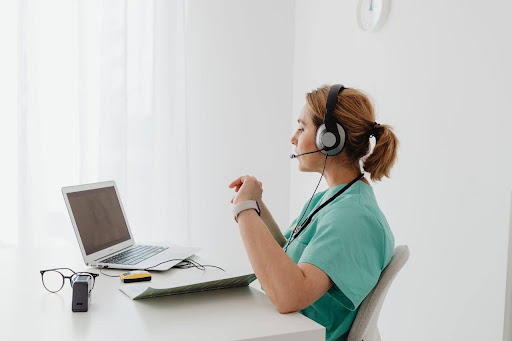
A long-term illness rarely leads to disaster. Daily stability, quick diagnosis of changes, and the capacity to get therapy are all essential. Many people don’t obtain the care they want due to meetings, long wait times, and transportation challenges while working, taking care of their families, and getting medical care. Telemedicine simplifies regular checks. Be healthy for years. Many people useAnytime Doctor (anytimedoctor.co.uk) when their symptoms change, when they experience side effects from their medications, or when they need a checkup. It simplifies chronic illness management without replacing in-person care.
Assess Long-Term Care Needs
Regular exams and changes help chronic illnesses like high blood pressure, diabetes, asthma, migraines, thyroid issues, and long-term discomfort or inflammation. Many therapies are non-choice. Instead, they involve tracking, prescription changes, and lifestyle advice. Telemedicine enables synchronised progress, setbacks, triggers, and therapy adherence discussions in real time.
How Telemedicine Excels
You can figure out what’s wrong with someone by looking at their history, symptoms, and other signs. Discuss whether their symptoms are stable, if new problems have arisen, and how their daily lives are being affected. This phenomenon happens because of side effects, drug interactions, irregular dosing, and not following treatment. Telemedicine works effectively for medication reviews. Follow-up visits online are helpful because the doctor can see how things are doing compared to what was planned before. It also helps the doctor figure out when immediate therapy or more testing are needed by staging symptoms.
Prepare for Improved Online Consultations
When individuals are ready, telemedicine is more effective. A brief description of recent symptoms, their causes, and their effects helps the doctor understand what has changed. Keeping an updated list of medications, supplements, and allergies helps make safer judgements and reduce mistakes. You can benefit patients by defining “stable” broadly. Chronic illnesses vary frequently. Thus, telemedicine is most effective when the clinician can distinguish typical variation from deterioration.
Knowing Patterns and Monitoring Your Home
Chronic disease management frequently relies on trends rather than numbers. Remote consultations can be more accurate when supported by home blood pressure measurements, glucose logs for individuals with diabetes, asthma peak flow tracking, weight trends, sleep disturbance diaries, and symptom diaries. That’s not the point of facts. Pattern knowledge is sufficient to effect real-world changes. Patients who follow trends may feel more in control. They can determine what changed, when it changed, and what else was occurring without guessing whether something is worse.
Medication Management and Scheduling Assistance
Medication-related pain is common in long-term care. Some people quietly quit taking a prescription that makes them sick. Some miss dosages because they can’t afford them, can’t follow their plan, or don’t know the time. Telemedicine allows free discussion of possibilities. Such discussion covers worries, side effects, and the realities of using drugs regularly.
Tests, Referrals, and In-Person Reviews Work Together
Chronic care must be provided in person. Physical examinations, radiologic imaging, blood tests, and expert referrals may be necessary. Telemedicine explains testing, its importance, and how findings are evaluated. Limiting patients to physical exams that change their therapy would reduce travel.
Limits and Red Flags
You shouldn’t use telemedicine to treat critical ailments. If you have chest discomfort, stroke symptoms, difficulties breathing, rapid confusion, a significant injury, severe allergic reactions, or worsening symptoms, immediately go to the ER. Even minor concerns may require an in-person exam to ensure safety. Good telemedicine should notify patients about in-person doctor visits.
Long-Lasting Telemedicine
Telemedicine is most effective when combined with regular assessments, explicit habit tracking, knowing when to escalate, and planned in-person checkups. This helps treat chronic illnesses by reducing delays, improving consistency, and enabling patient involvement without requiring them to drive and wait.
Image attributed to Pexels.com