
Hybrid schedules, cloud platforms, and AI tools have already reshaped the rhythm of daily work. By 2026, this evolution will accelerate as organisations invest in systems that link people and information across time zones and devices. The result is a workplace that is less about location and more about agility, productivity, and balance.
As of early 2025, 28% of employees in the UK are now working in a hybrid model. This shift indicates a rapid move toward digital workspaces and a growing need for flexible work options.
With hybrid work becoming common, traditional office settings are no longer the only choice. The future of work is adapting to this flexibility, and both companies and workers must change to remain relevant.
In this article, we’ll look at how digital workspaces are changing productivity, workplace culture, and work-life balance in the coming years.
Hybrid Collaboration Becomes the New Normal
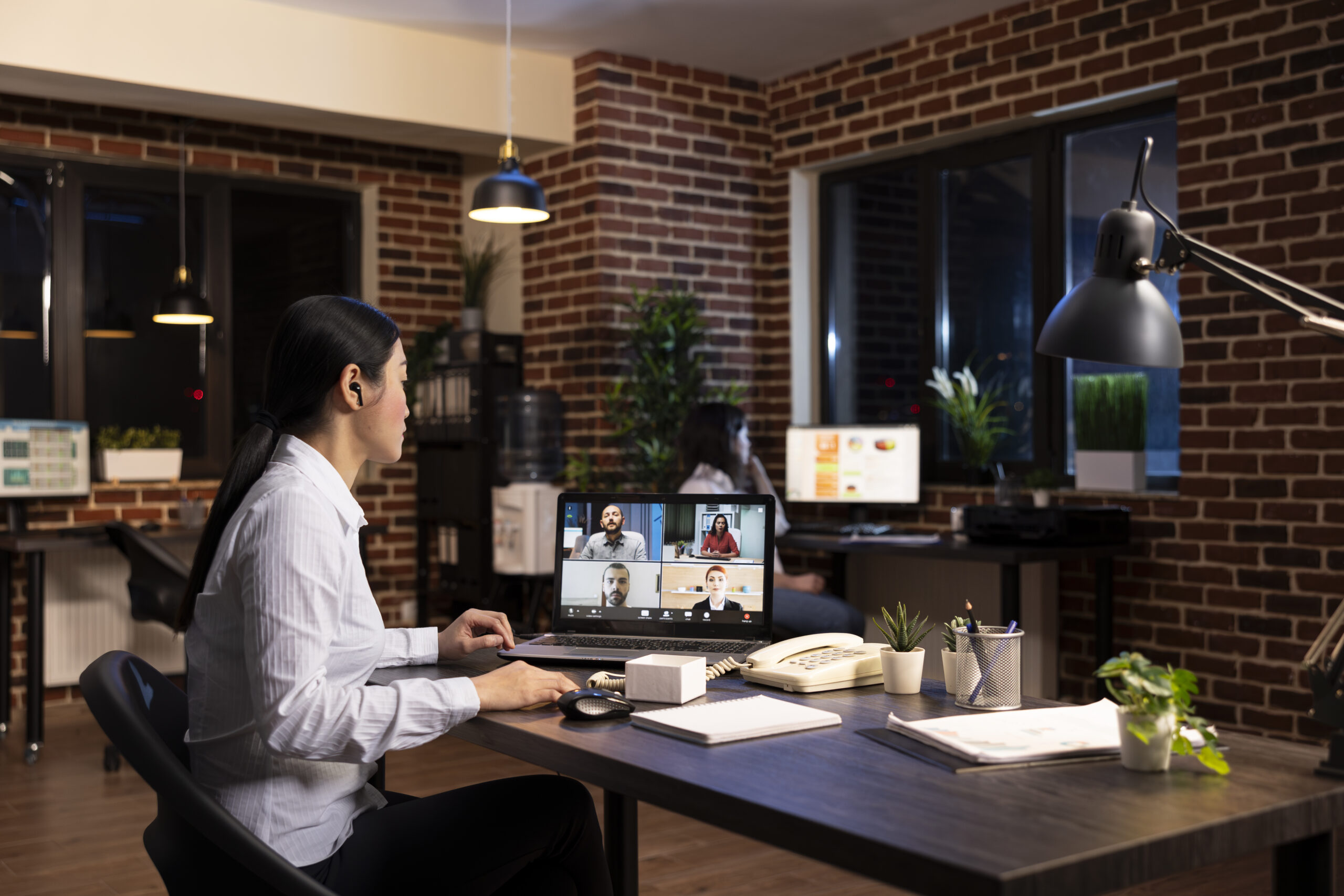
Hybrid work is becoming essential in today’s work settings. Many workers now split their time between home and the office, which makes promoting teamwork a challenge. Thankfully, digital tools are helping with this.
“Flexibility doesn’t mean everyone is working remotely all the time. It means there’s an ability to take into consideration the needs of every individual.” — Fran Katsoudas, EVP & Chief People, Policy & Purpose Officer, Cisco Systems Source: 2025 Hybrid Work Study
Tools like Microsoft Teams, Zoom, and Slack have changed how we communicate. They make it simple to collaborate with teams around the world through:
- Video calls
- Instant messaging
- Document sharing
This ensures that people can work together effectively, no matter where they are.
However, while technology links us, businesses need to change their culture as well. Building a strong team online and offline requires a focus on clear communication, empathy, and trust. Teams that do this well see higher productivity. But it’s important to recognise the challenges that come with managing remote teams.
Automation and AI Redefine Productivity
By 2026, automation and artificial intelligence (AI) will greatly change the workplace. Smart systems will manage routine tasks, from chatbots answering customer service questions to AI tools that analyse sales data. These advancements will reduce workers’ workloads, letting them focus on more strategic tasks that require creativity and critical thinking.
A recent report found that by using AI for administrative work, UK workers could save about 122 hours yearly by 2026. This could add £400 billion to the UK economy. This illustrates how AI can improve productivity, helping companies work better and giving employees a healthier work-life balance.
Automating repetitive tasks will help firms work more efficiently and create a better work-life balance for employees. Workers can focus on important projects rather than getting bogged down by mundane duties. However, employees will need to boost their skills and stay updated on new technologies to remain competitive.
While using automation, companies must manage their workforce carefully. The goal is not to replace human workers but to support their work. This requires finding a balance between using technology and maintaining a personal touch.
Building Healthier Teams with Digital Wellness Tools
In 2026, companies are putting more effort into employee well-being. They are offering more than just basic health care by adding wellness resources to the online work environment. Remote employees can now use mental health apps, fitness trackers, and online yoga classes.
Using wellness tools is not just a trend; it’s vital for creating a positive work atmosphere. Workers who feel supported in their mental and physical health are more engaged and productive, leading to a healthier workplace. These resources help reduce stress and prevent burnout, which are major issues for today’s workforce.
Recent studies show that companies that prioritise employee wellness have better staff retention, higher job satisfaction, and increased productivity. For companies to stay competitive in 2026, using technology to promote wellness is essential for long-term success.
Asynchronous Work and the Rise of Work Flexibility
The rise of asynchronous work is a significant change in today’s workplaces. Employees no longer need to stick to a strict 9-to-5 schedule. Tools like Asana and Trello enable teams to collaborate on tasks at their convenience, without needing simultaneous online presence.
This flexibility helps workers be more productive, whether they prefer to work early in the morning or even late at night. Companies benefit from increased productivity, and workers enjoy a better work-life balance. They can manage their time more effectively without the pressure of fixed office hours.
The asynchronous model also allows global teams in different time zones to collaborate easily without needing to align their schedules. This flexibility not only benefits everyone but also boosts productivity and employee engagement in 2026. In the UK, over 40% of employees now work in hybrid setups. Many are using flexible workflows to fit different schedules and time zones. This change helps workers manage their time better, leading to improved productivity and a healthier work-life balance.
Experts at Bridgehampton, who specialise in designing people-first Microsoft SharePoint solutions to connect teams, documents, and workflows seamlessly, note that the future of digital work lies in systems that simplify, not overwhelm. “SharePoint is most effective when it helps people work with focus and confidence,” they explain. “Technology should make collaboration easier, decisions clearer, and workplaces more human.” Learn more about Microsoft Sharepoint Implementation here.
The Road Ahead for Digital Workplaces
The digital workplace is changing quickly, and by 2026, even bigger changes will come. Hybrid collaboration, automation, and tools that back flexibility and employee well-being will be crucial for success in today’s work environment.
By adopting these innovations, organisations can improve productivity, promote a better work-life balance, and build a culture of loyalty and long-term success.
As the future of work develops, those who adapt will succeed in this new era of flexibility and collaboration.